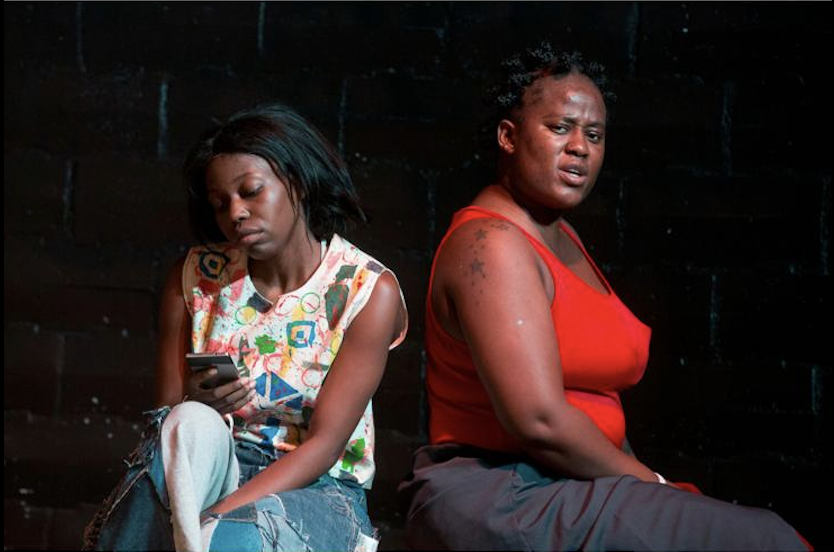
Over the past thirteen years, Almasi Collaborative Arts has been building a strong foundation, brick by brick, through our first phase: Learning Never Ends. Now, we step boldly into Phase Two: Bringing the African Narrative to the Global Stage: The Golden Age.

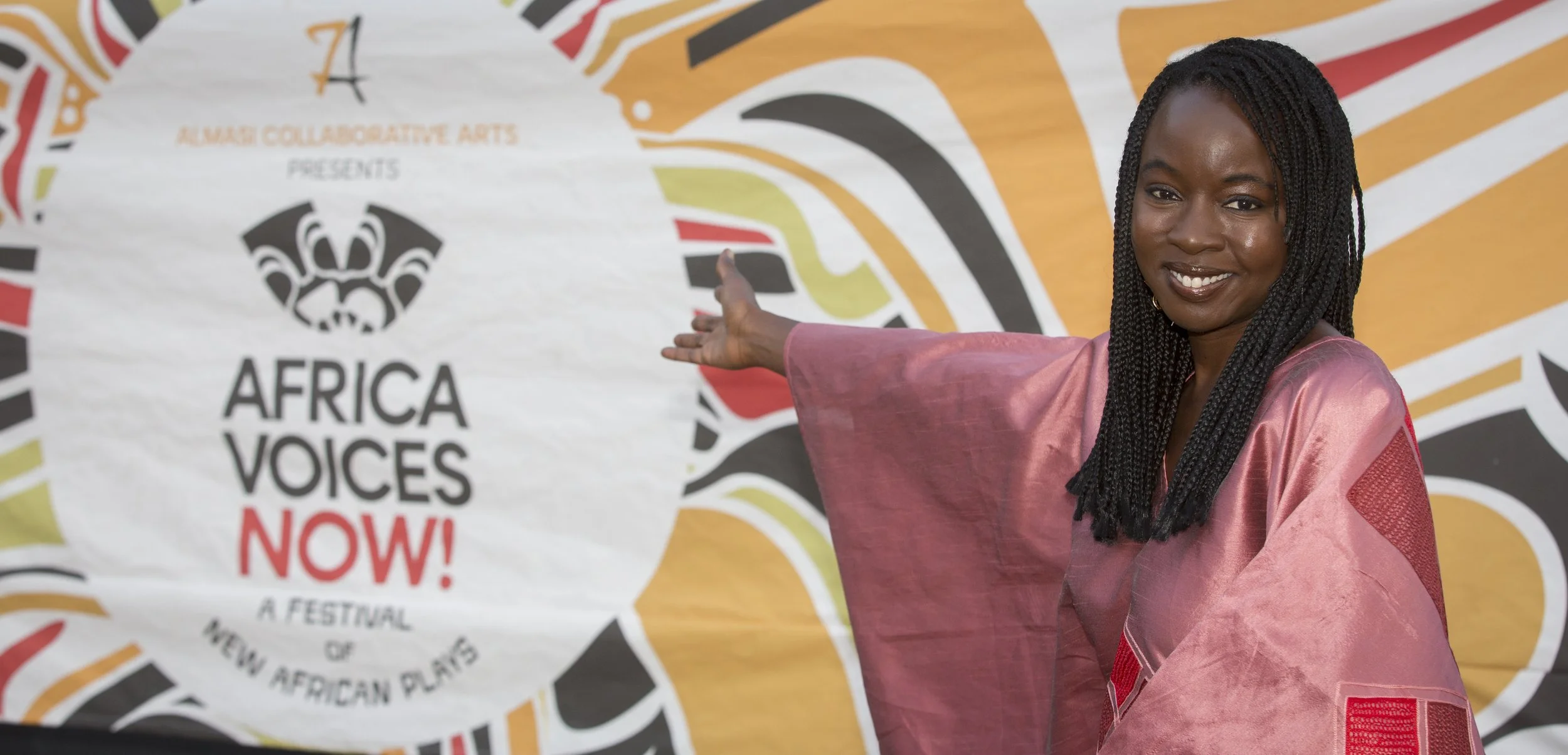
The Africa Voices Now! Festival embodies this vision. Every year, the festival features three brand-new Zimbabwean plays, each the result of rigorous development and mentorship with leading American and Zimbabwean theater artists. From writing and directing to acting and stage management, this initiative represents the highest level of artistic collaboration and growth.

The Africa Voices Now! Festival celebrates powerful Zimbabwean storytelling. Each year, one of these productions that premiere locally will be transferred to New York City's Public Theater for further development and international exposure.

Africa Voices Now! Festival 2026

The Africa Voices Now! Festival returns. Mark your calendars, the 2026 edition runs from 17 October to 6 November. Details on plays, artists, and tickets coming soon.

Stay connected: follow us on Instagram or sign up for our newsletter to be the first to hear updates.


AFRICA VOICES NOW! FESTIVAL 2025
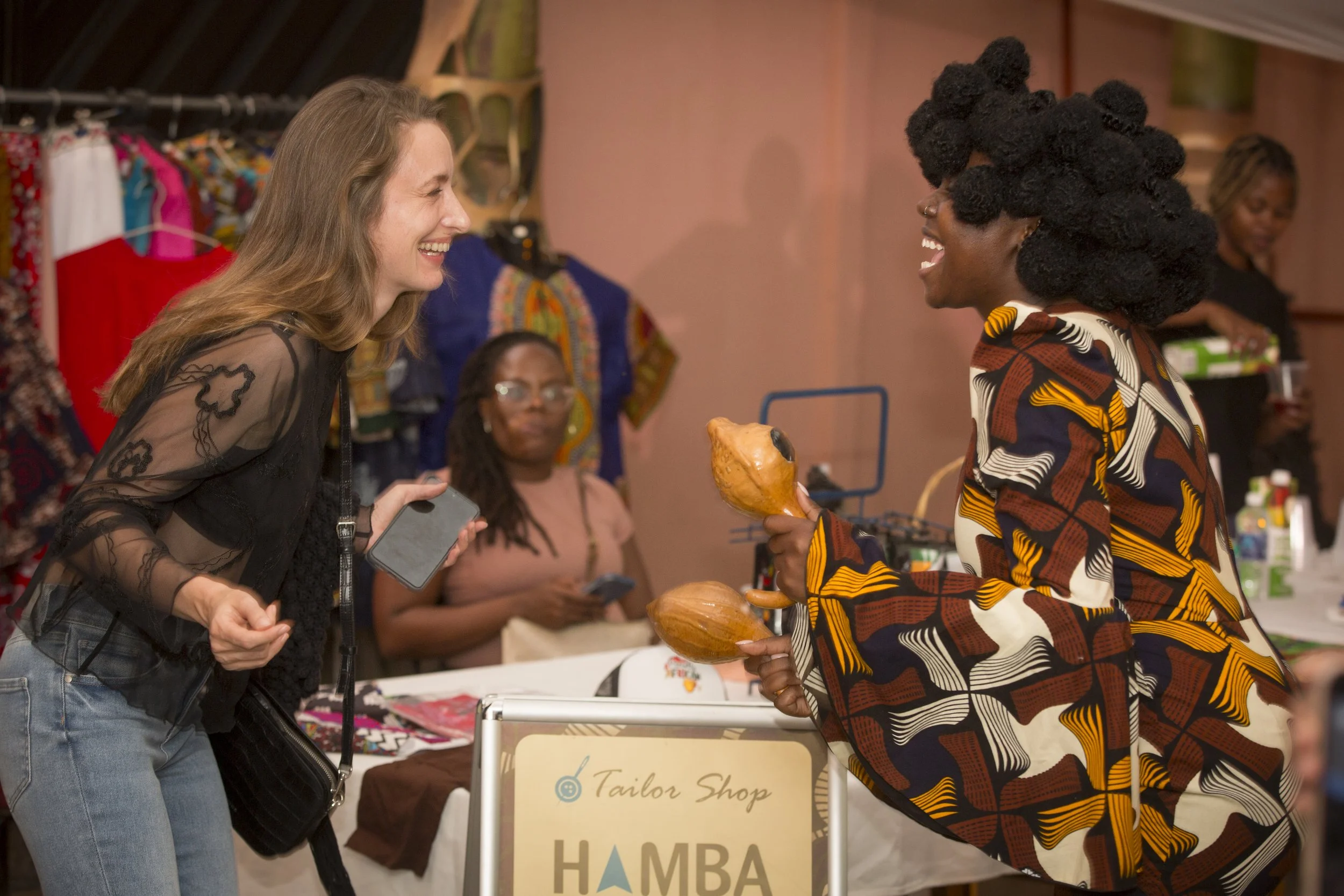


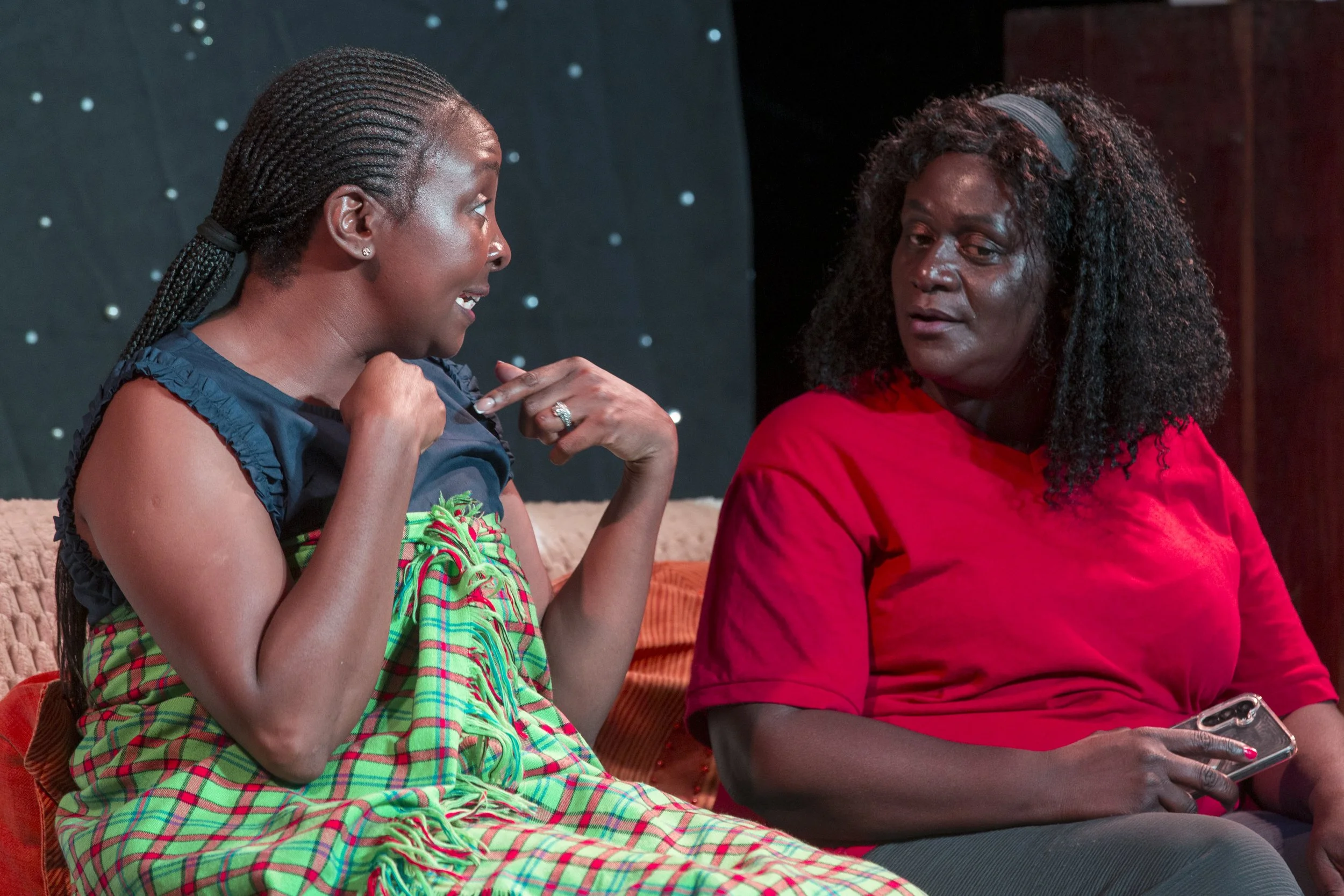
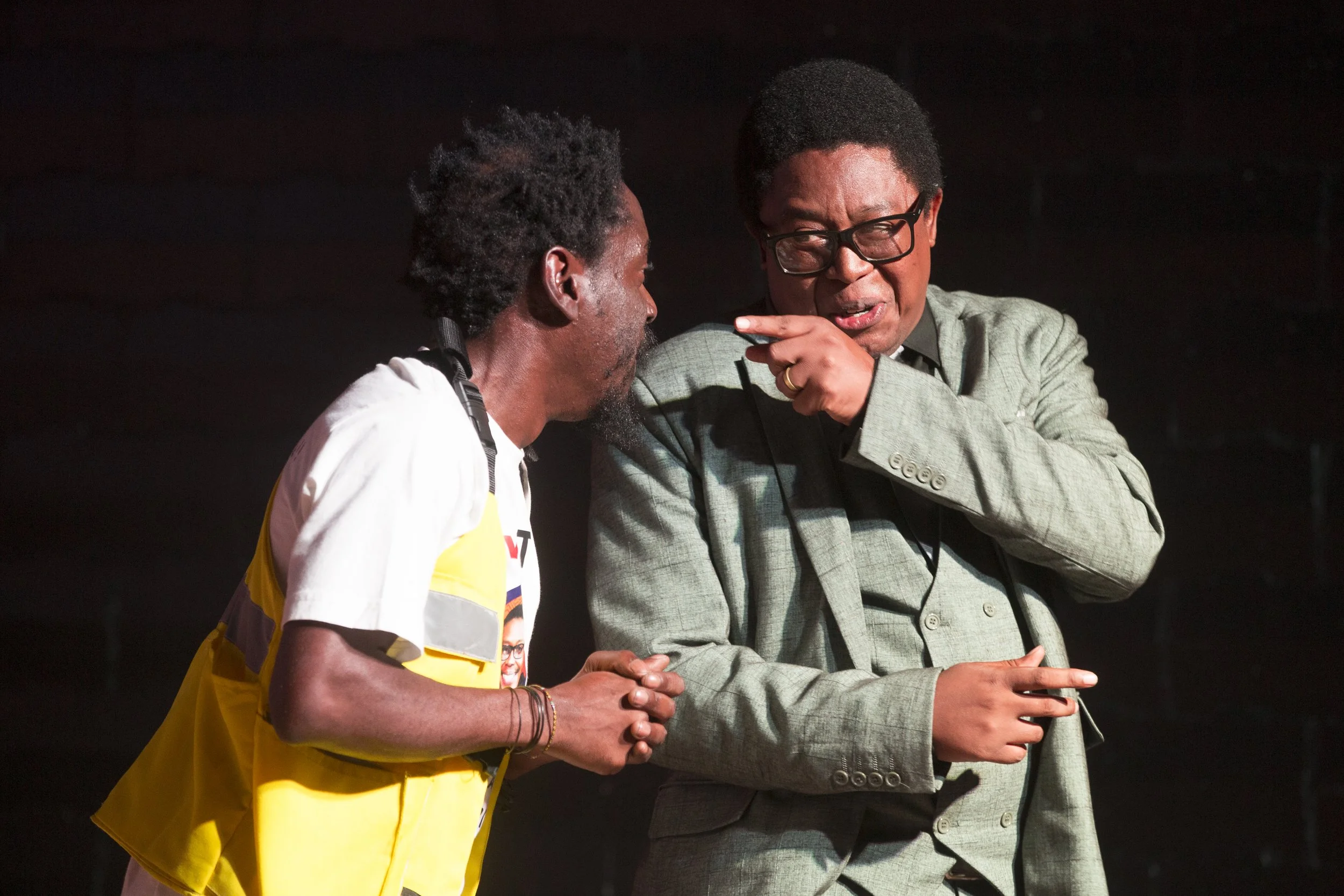
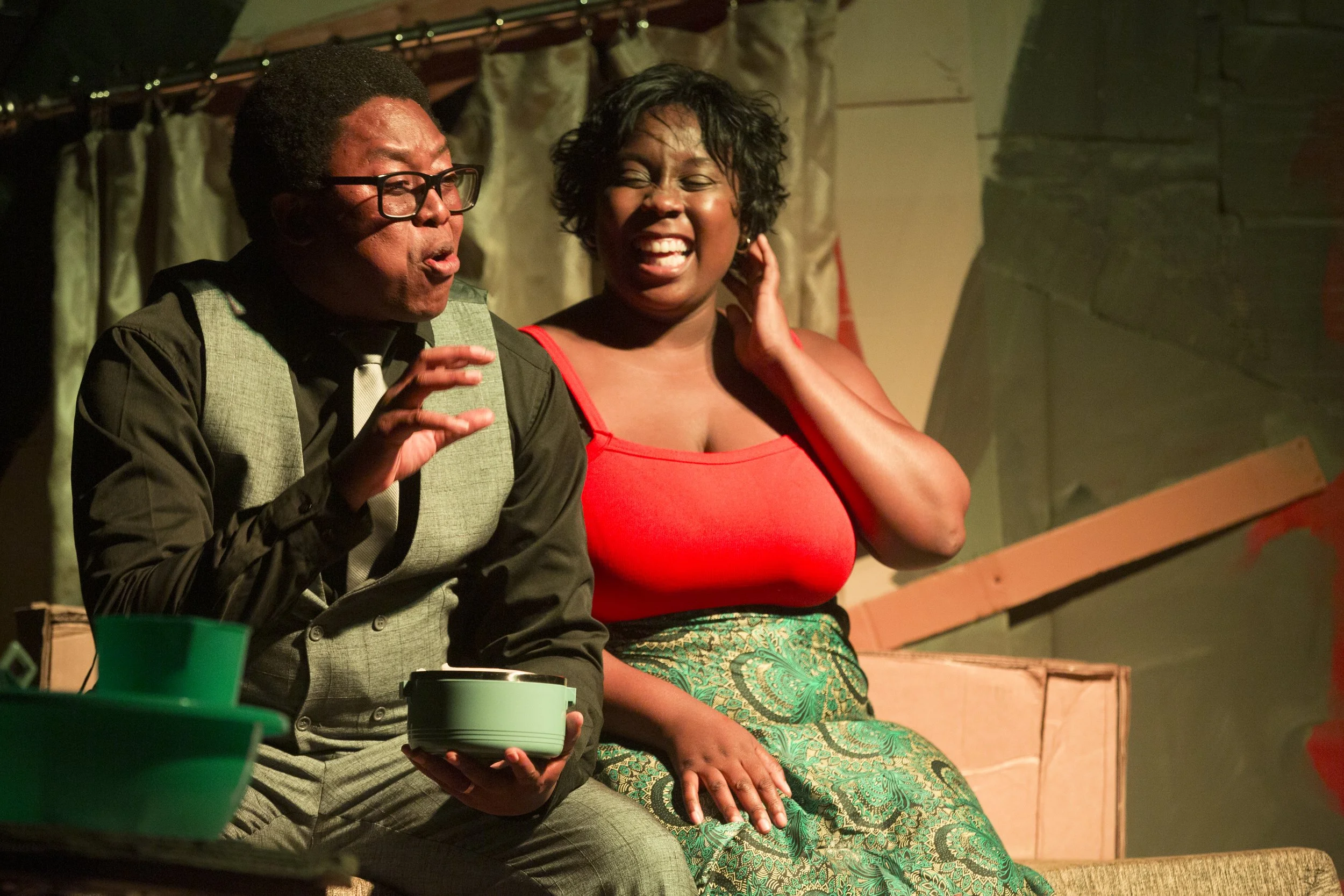
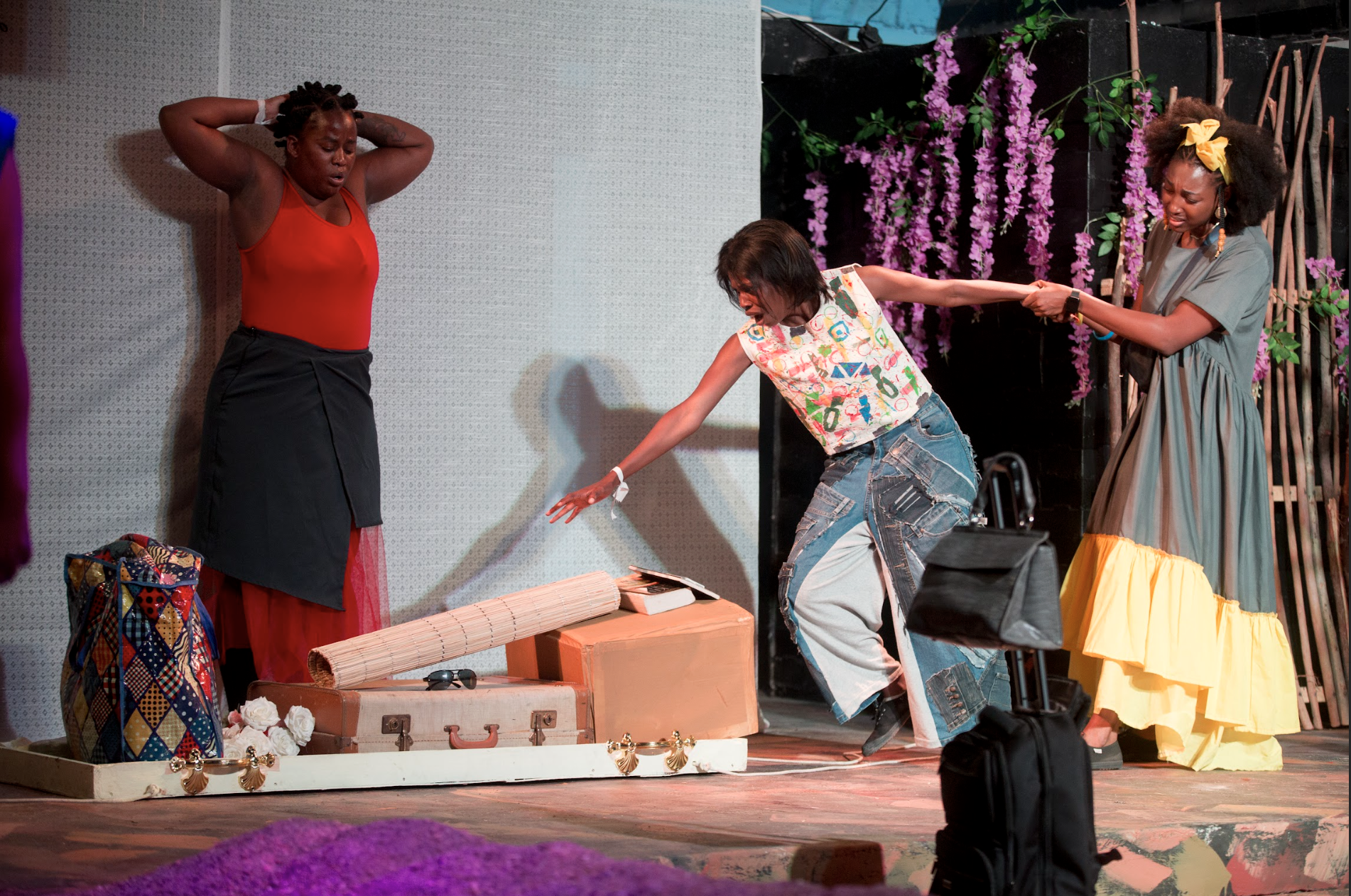
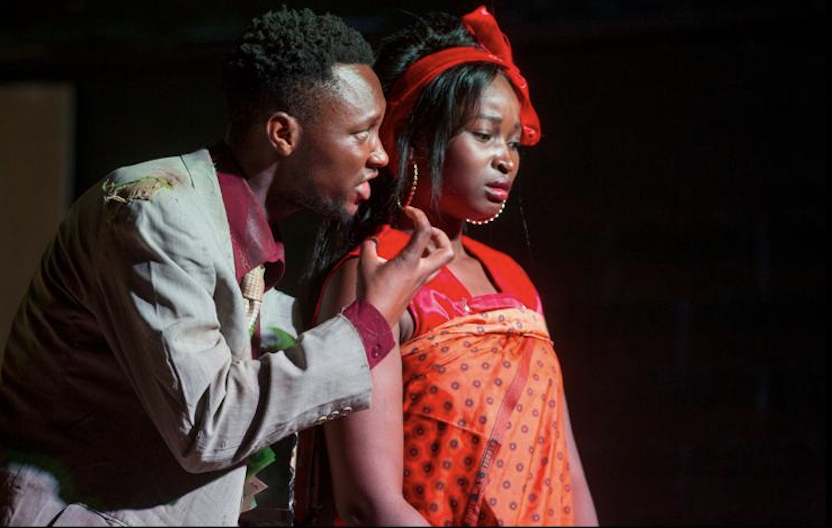
The 2025 festival featured three new plays
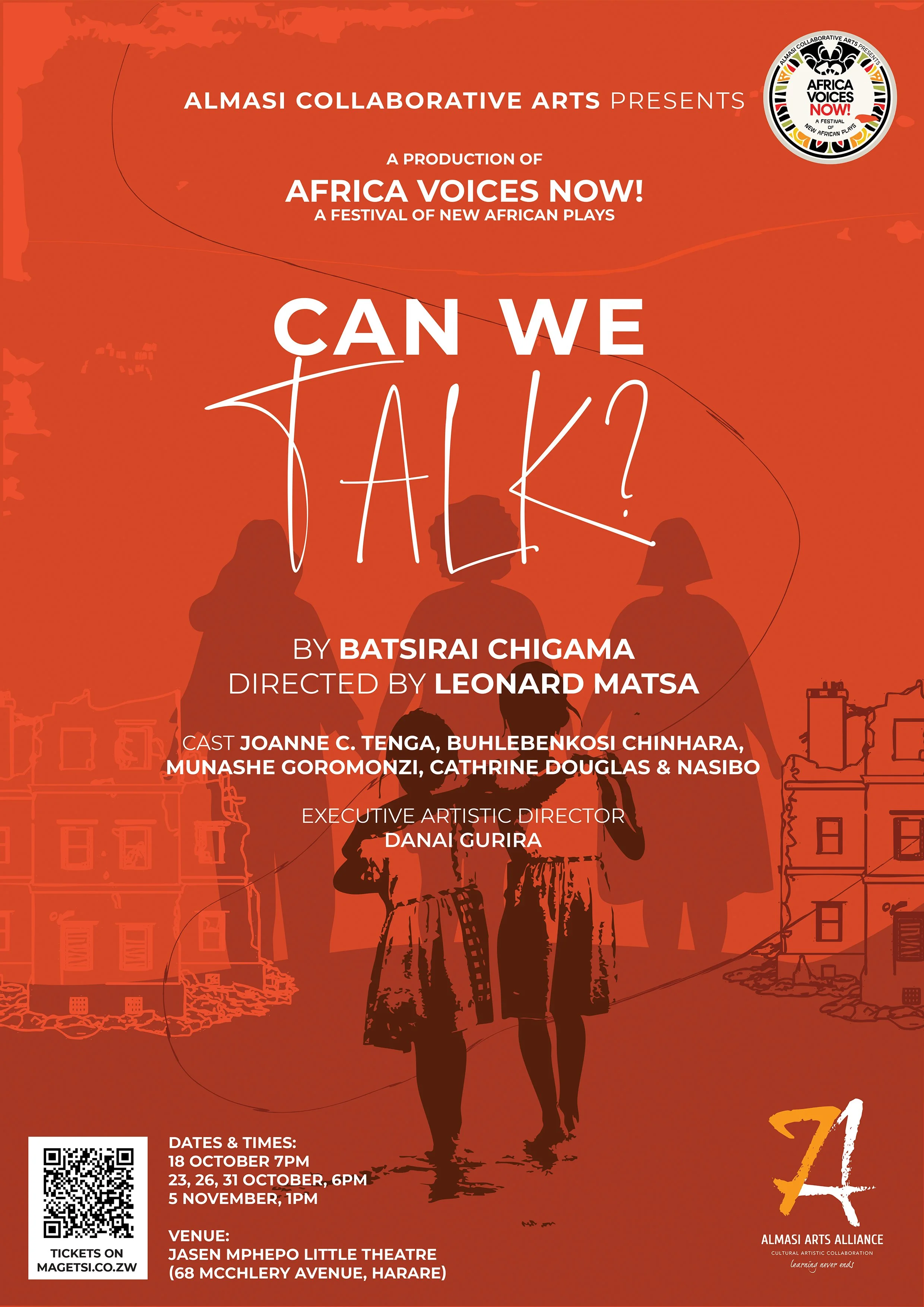

Can We Talk?
by Batsirai Chigama
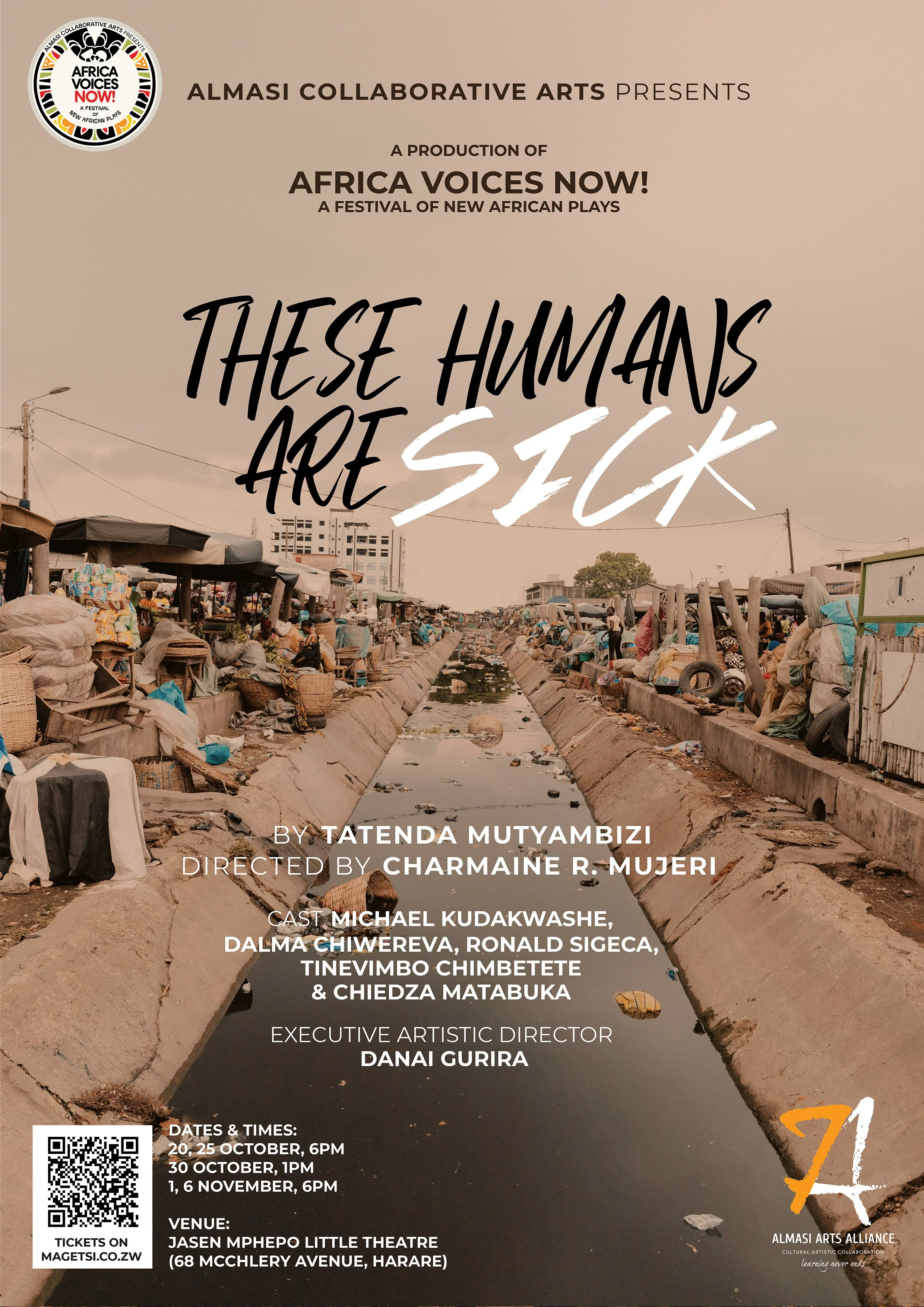
These Humans Are Sick
by Tatenda Mutyambizi

The Return
by Rudo Mutangadura


These plays were developed through an intensive artistic journey with guidance from some of the world's most renowned and respected theater professionals:

Oskar Eustis, the Artistic Director of The Public Theater in New York, who helped bring Hamilton and Fun Home to the stage, led the Almasi Africa Playwrights Conference in December 2024.

Lynn Nottage, a two-time Pulitzer Prize-winning playwright known for Sweat and Ruined, then mentored the writers through a rewriting residency.

Peter Francis James, a celebrated Broadway actor and voice coach who has worked with top-tier actors and on shows like Law & Order, led the Acting Intensive for the actors in the plays.

Emily Mann, Tony award-winning director and playwright best known for her Broadway productions of A Streetcar Named Desire and Having Our Say, as well as her leadership as Artistic Director of the McCarter Theatre Center, led the Directing Workshop to equip our directors in how these stories are brought to life on stage.

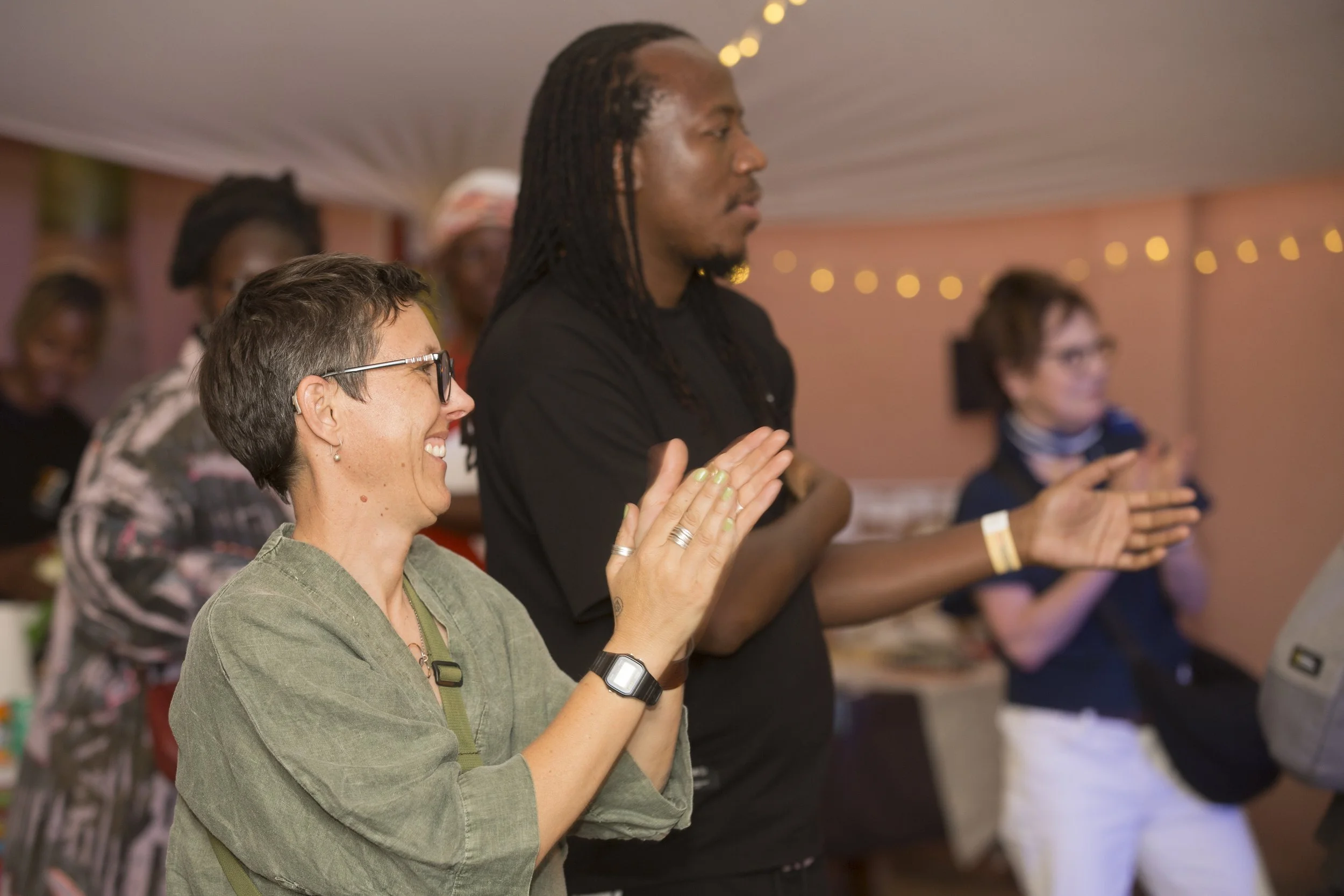
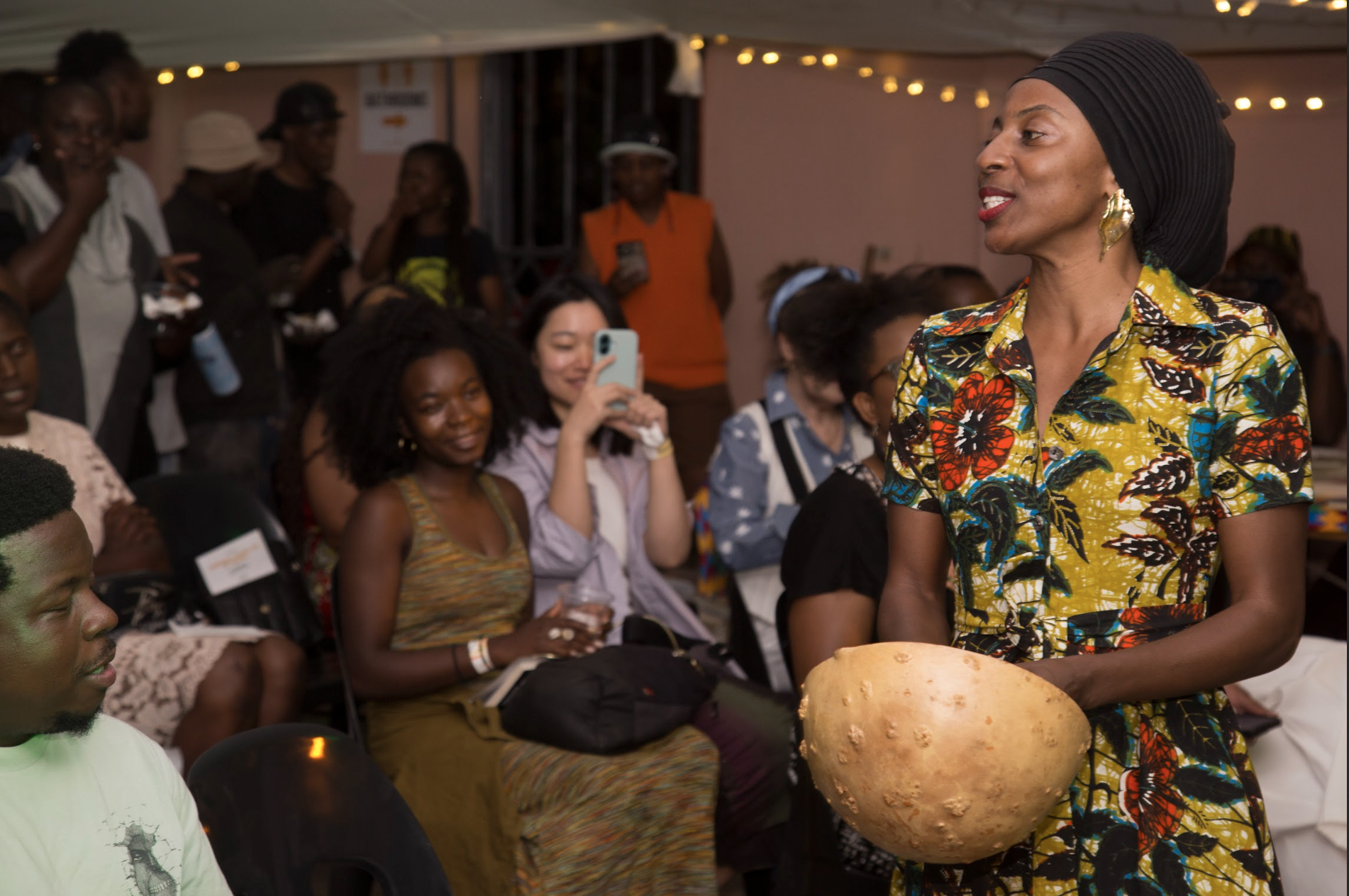
The festival brought together everything these artists have learned, culminating in professional performances open to the public. It is more than a showcase; it is a launchpad for rising African talent.

Our partnership with The Public Theater will ensure that at least one of these plays will be selected for continued development and potential performance in the United States, opening the door to even wider exposure of Zimbabwean narratives.

African Voices Now is a celebration of Zimbabwean creativity, discipline, and vision. It reflects Almasi's commitment to transforming lives and building careers, starting at home and reaching across the world.

Tickets & Inquiries

Look out for 2026 Festival tickets soon!

For more information about the Africa Voices Now! Festival, please email us at info@almasiarts.org or send a WhatsApp message to +263 778 108 870.

We'll be happy to answer any festival questions.


FEATURED ARTISTS & PLAY SYNOPSES


BATSIRAI CHIGAMA

Batsirai Chigama is an award-winning spoken word poet, author, and literary activist based in Harare, Zimbabwe. A co-founder of the Ipikai Poetry Journal, she has been a driving force behind the journal’s mission to create space for contemporary Zimbabwean poetry in all its depth and diversity. Her writing, known for its lyrical force and social consciousness, has been published widely and translated into several languages.

Chigama’s debut poetry collection, Gather the Children, received the National Arts Merit Award (NAMA) for Outstanding First Creative Published Work in 2018. Her second poetry collection, For Women Trying To Breathe & Failing, won the Outstanding Poetry Book Award at the NAMA awards in 2022.

Deeply committed to mentorship and community building, Chigama has performed at literary festivals across Africa, Europe, and North America. She continues to shape Zimbabwe’s literary landscape, not only through her words but by championing the voices of emerging poets.

Can We Talk?
The truth will come out…When their dead sister refuses to be buried, three sisters must revisit their past to make peace with their present.


TATENDA MUTYAMBIZI

Tatenda Mutyambizi is a Zimbabwean playwright with experience writing for both stage and screen. His work explores the complexities of human existence with a keen observational insight. Tatenda has participated in prestigious platforms such as the Almasi African Playwrights Conference (2021, 2023, 2024) and was a featured writer in the 2025 Africa Voices Now Festival for New Plays. His short film was officially selected for the Zimbabwe International Film Festival. He has received training from the Zimbabwe Theatre Academy and continues developing his craft through the Emerging Voices Mentorship Program in partnership with the University of East Anglia.

These Humans Are Sick
A dreamer. A ghetto. A dangerous ripple effect. These Humans Are Sick, is raw, urgent storytelling from the edges of survival. It hits the stage with gritty realism and emotional fire. Tatenda Mutyambizi pulls no punches in this gripping portrayal of Zimbabwe’s street-level struggles.


RUDO MUTANGADURA

Rudo Mutangadura is a Zimbabwean playwright living and working in Harare. She has been writing for the stage for the past 12 years. Rudo writes about the complex relationships between women as they interact with each other and navigate life. She loves old movies, vintage furniture, and the sound of crickets chirping at night.

The Return
Diaspora tensions. Sisterhood strained—an aging mother. In The Return, Rudo Mutangadura weaves a powerful family drama where love and distance collide. Can two sisters reunite when the past still echoes too loudly? The Return explores what it means to come back when you never really left the pain behind.