

Almasi: Bringing the African Narrative to the Global Stage

Almasi is a Dramatic Arts organization that brings the African dramatic narrative to the world through Education, Access and providence of Professional opportunity to African artists. Almasi does this through year around education and professional programming in its current home base: Harare, Zimbabwe; along with facilitating artistic collaborations between African dramatic artists and top American artists and artistic institutions. Almasi means “diamond” in Swahili, and the organization believes that every gifted African artist has a unique and valuable voice that deserves to shine and be heard globally.
2025: A BREAKTHROUGH YEAR FOR ALMASI ARTS

A YEAR THAT CHANGED OUR TRAJECTORY

As we step into 2026, I keep thinking about how defining 2025 was for Almasi. Years of dedicated work met real momentum. We created over 150 jobs for theatre professionals, welcomed eight American artists who offered world-class training, and launched our very first festival. Most of all, 2025 announced our mission and goals loudly and clearly to the world and strengthened the foundation of what you will see us continue to build.

From staged readings to trainings conducted by Academy Award® and Pulitzer Prize winners, to a sold-out, fully produced festival of new works, 2025 was beyond memorable. It was defining.

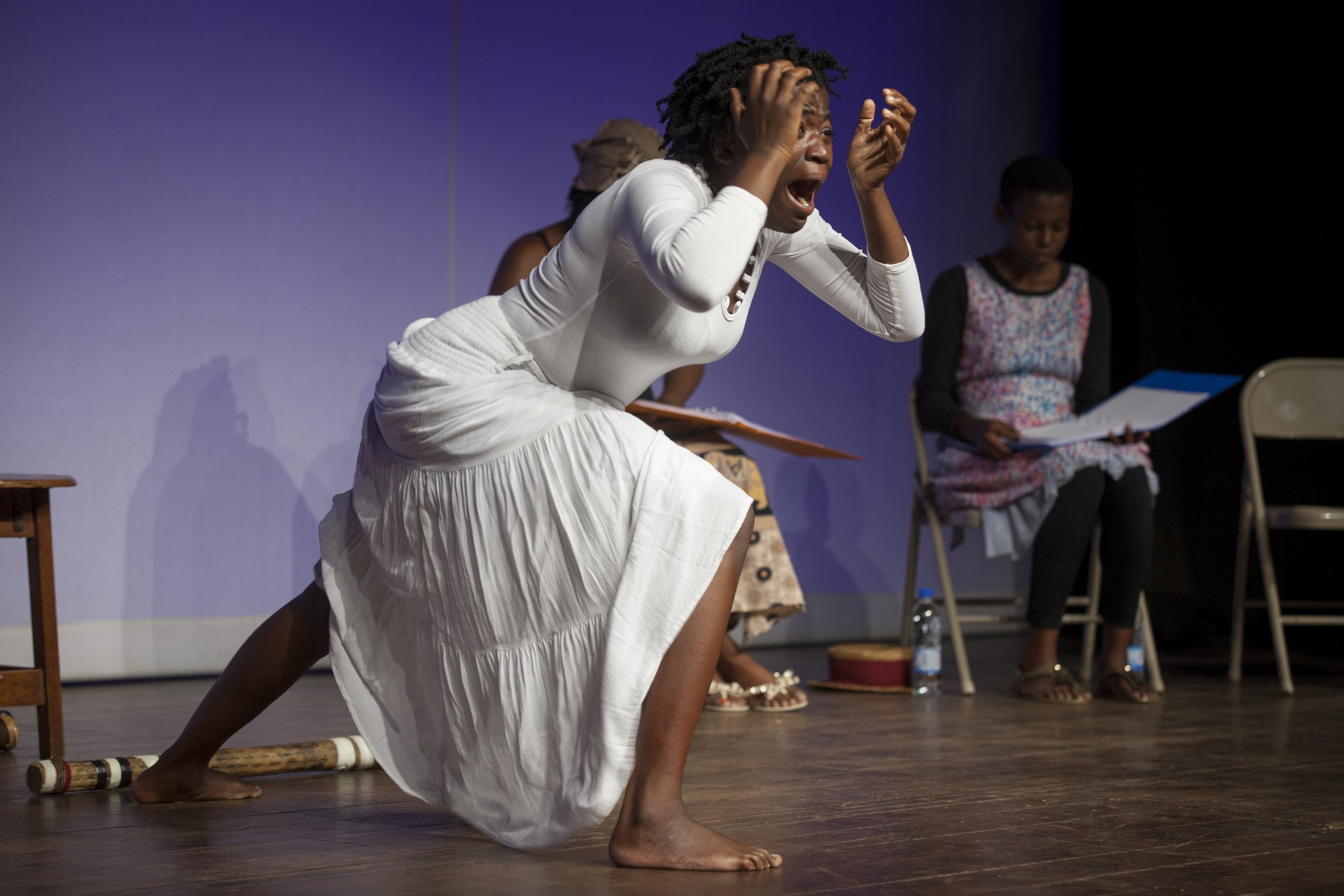
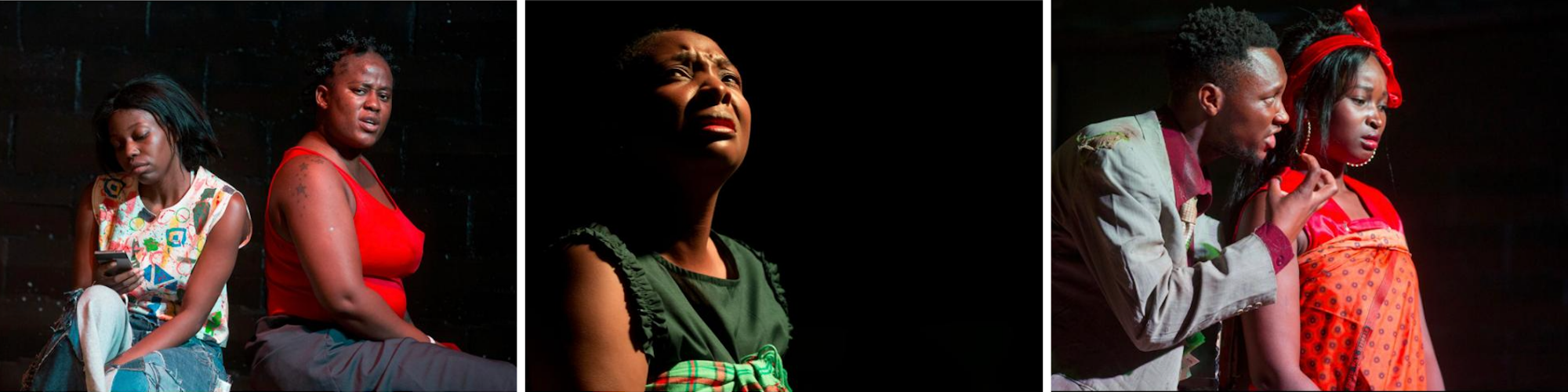
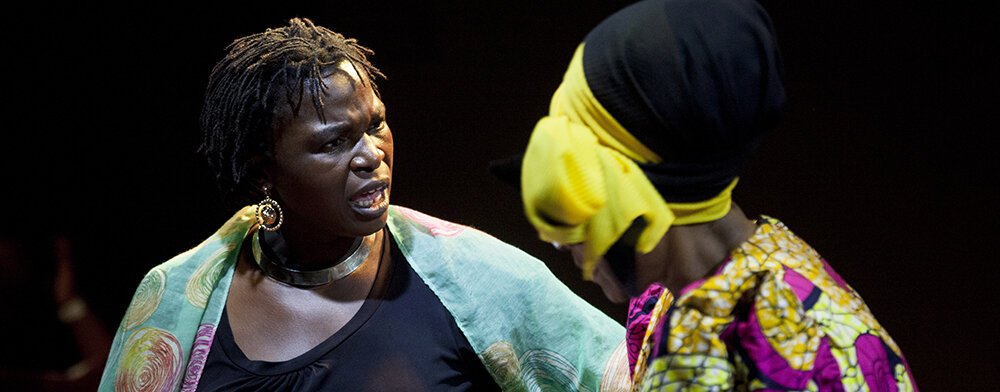
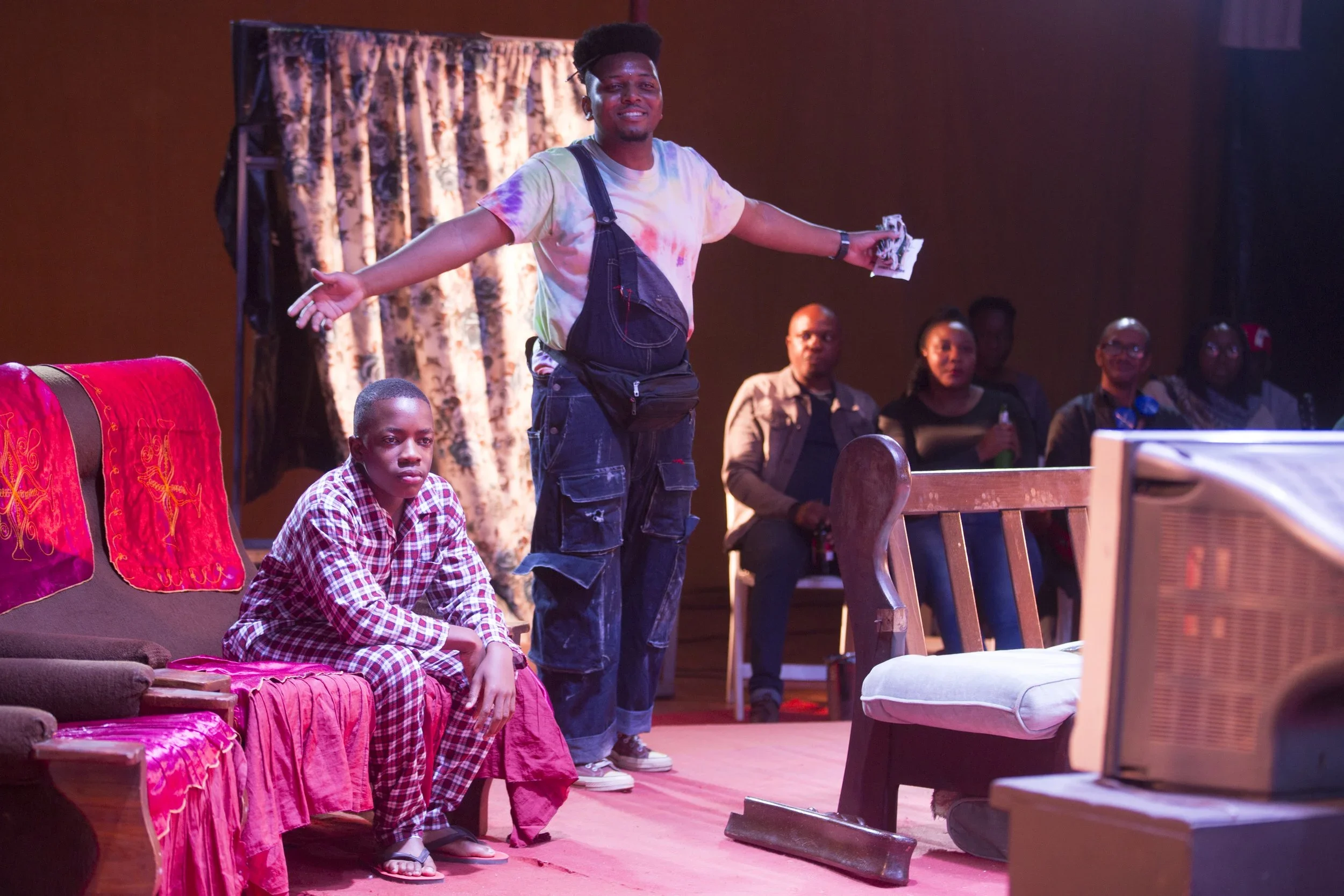
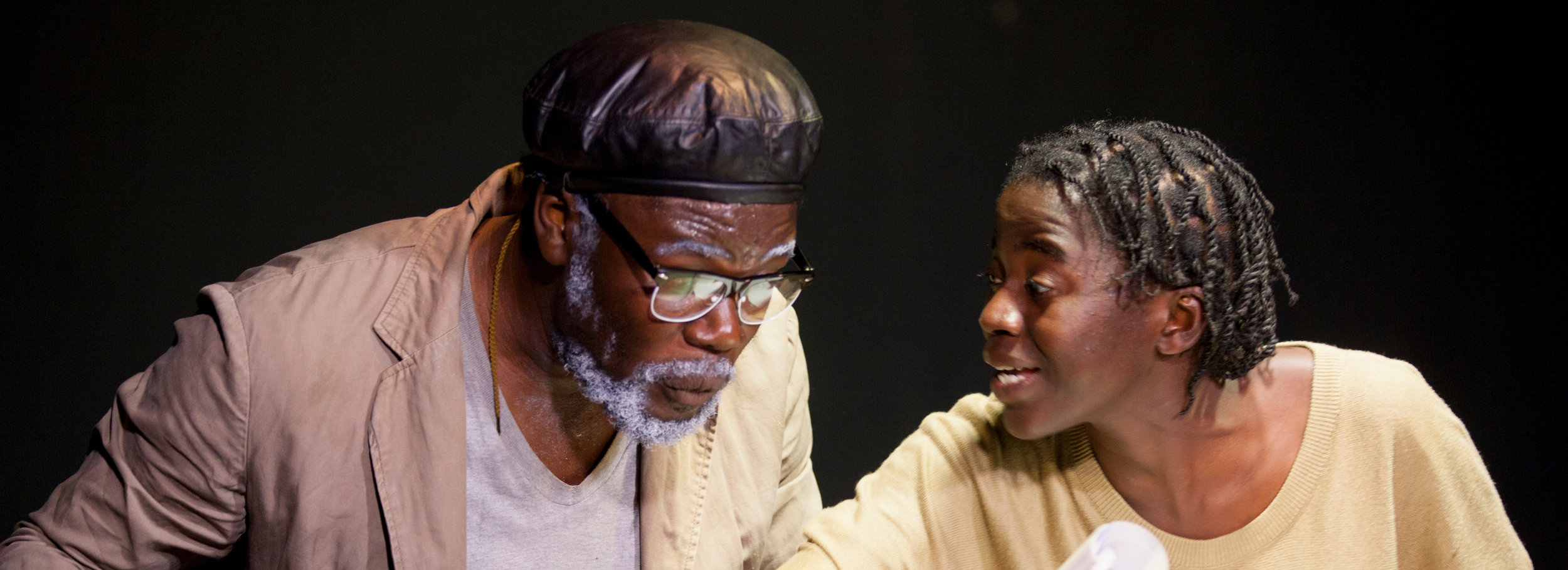
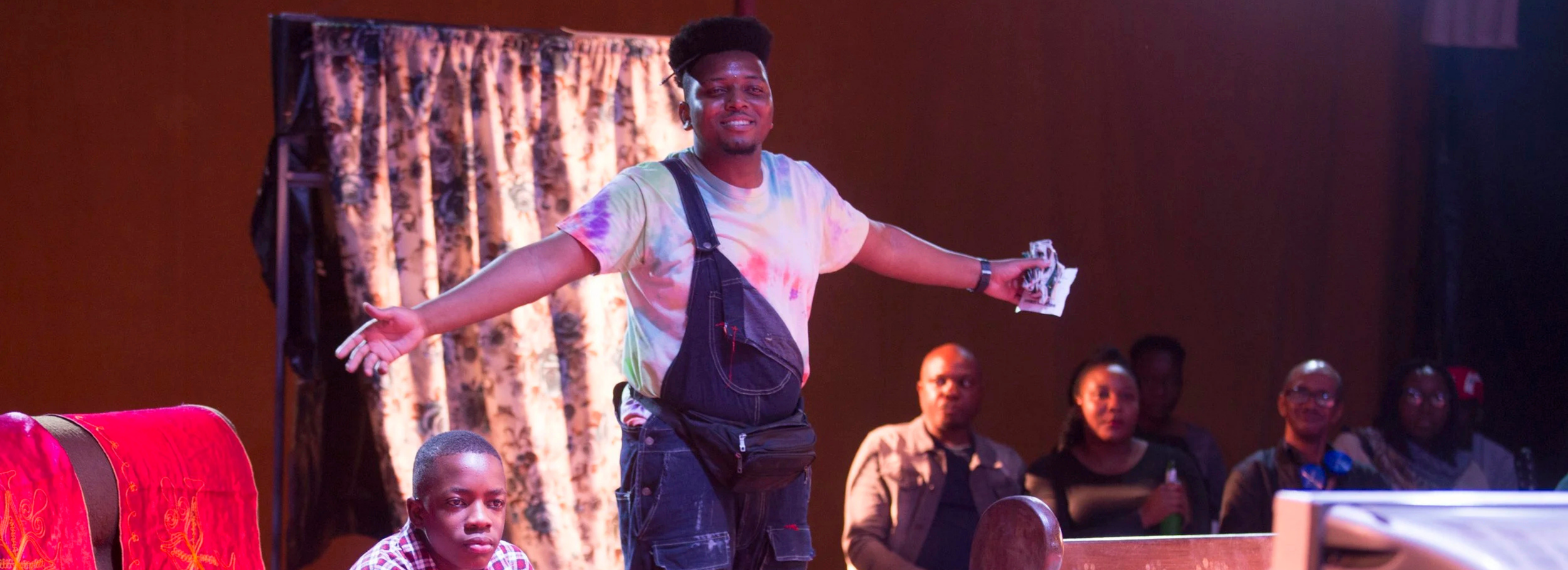
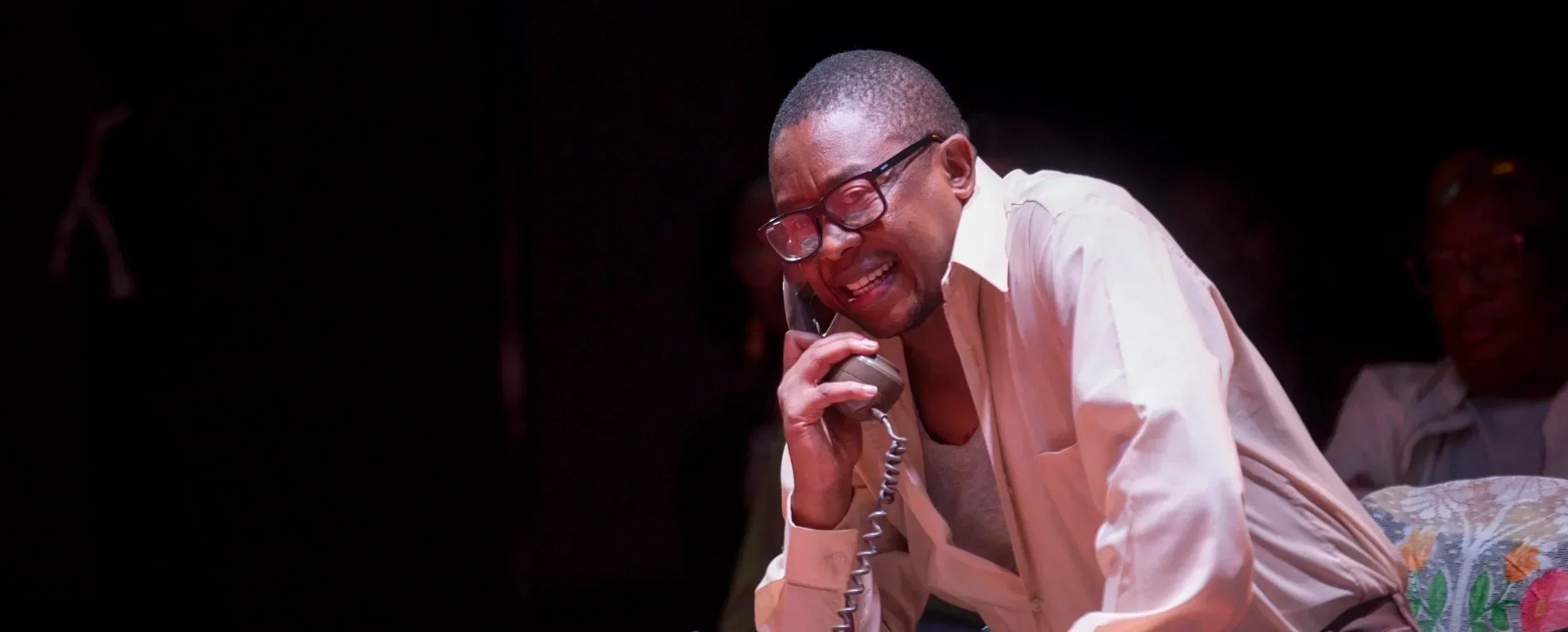
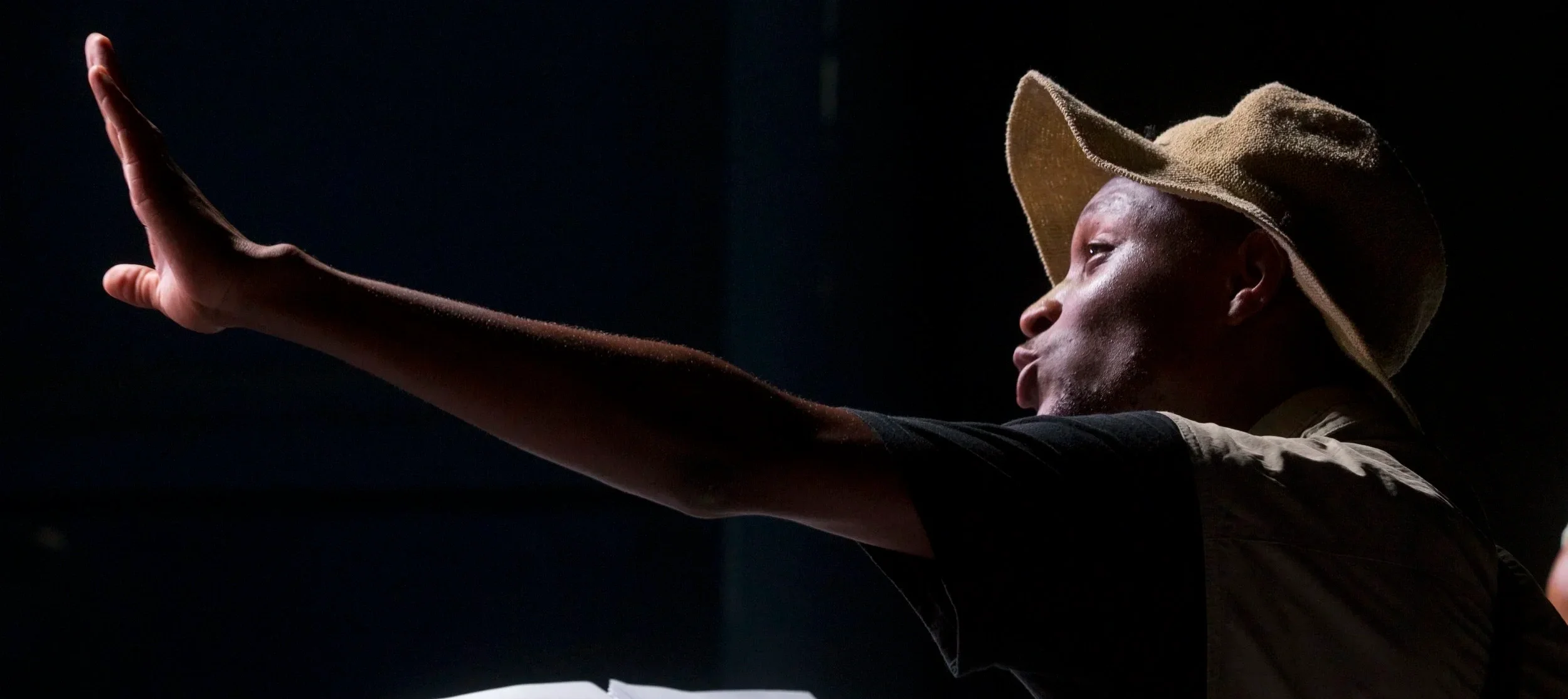
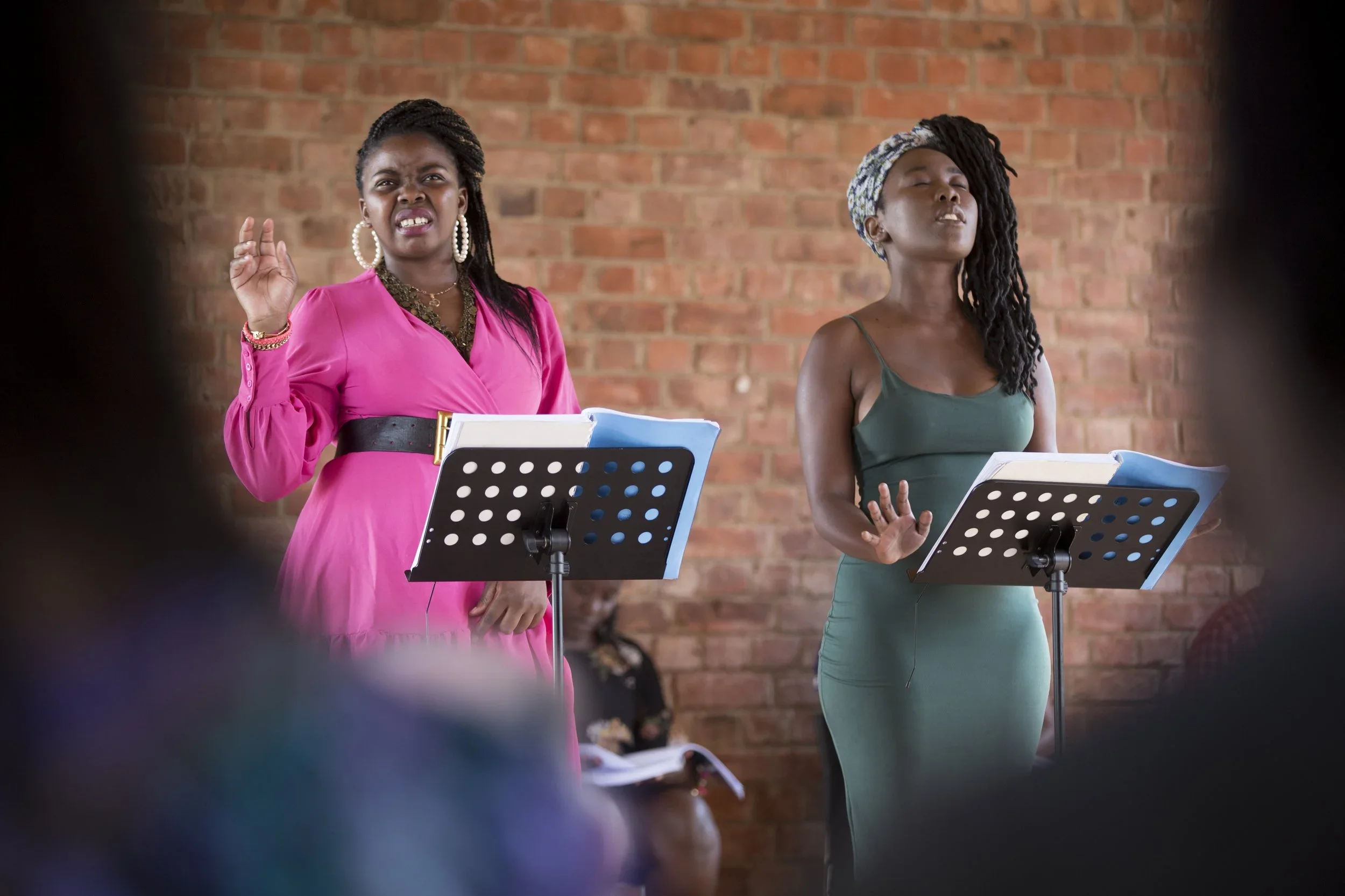
These Humans Are Sick by Tatenda Mutyambizi (Tinevimbo Chimbetete and Dalma Chivereva)

As we step into 2026, I keep thinking about how defining 2025 was for Almasi. Years of dedicated work met real momentum. We created over 150 jobs for theatre professionals, welcomed eight American artists who offered world-class training, and launched our very first festival. Most of all, 2025 announced our mission and goals loudly and clearly to the world and strengthened the foundation of what you will see us continue to build.

From staged readings to trainings conducted by Academy Award® and Pulitzer Prize winners, to a sold-out, fully produced festival of new works, 2025 was beyond memorable. It was defining.


RETURNING TO THE STAGE

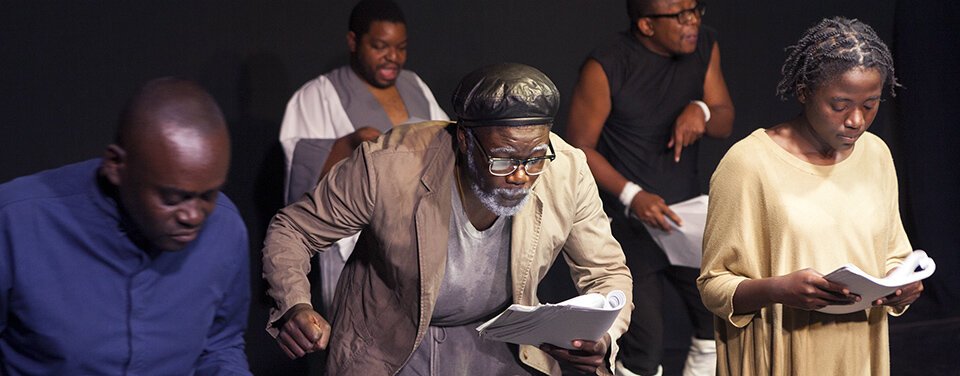
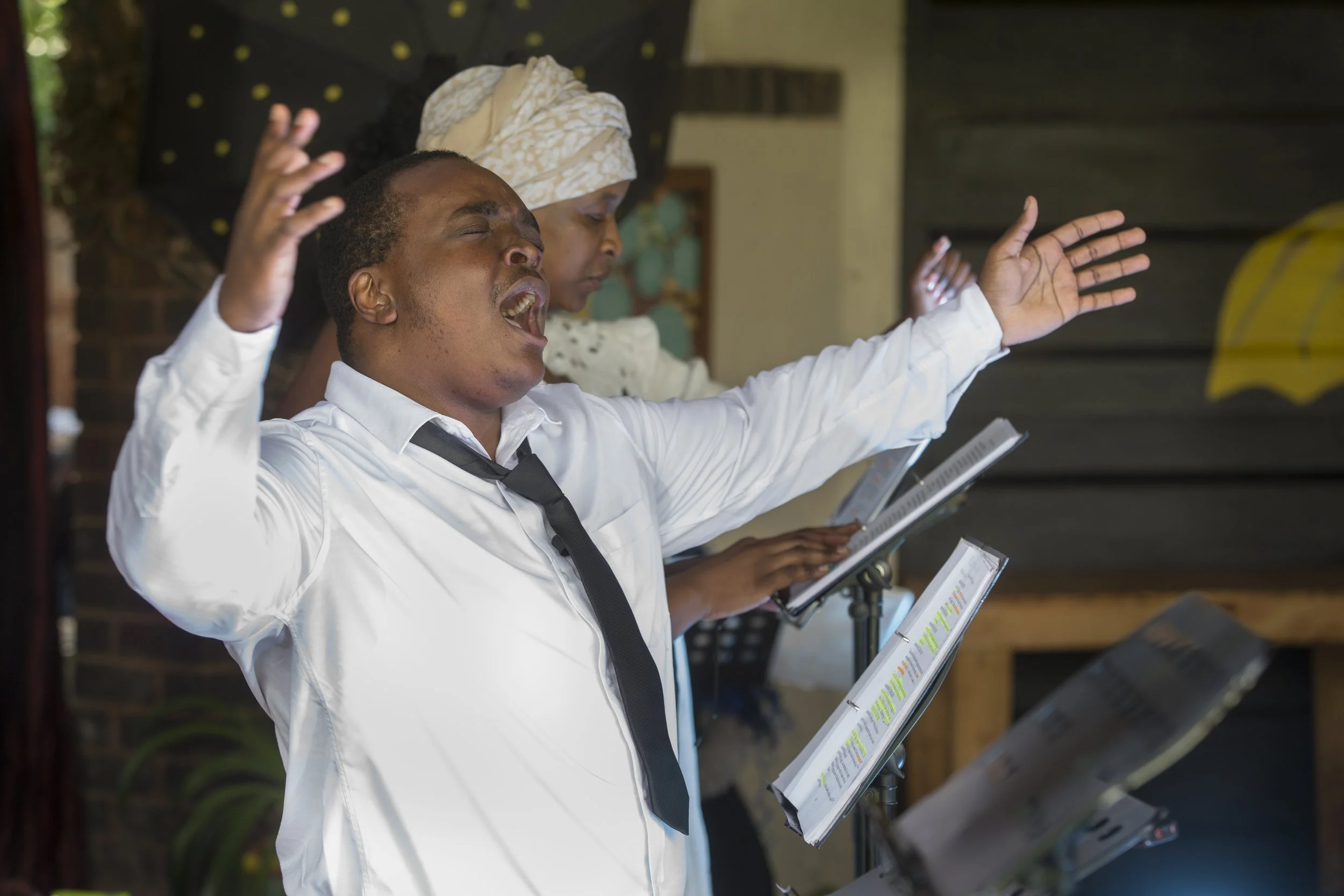
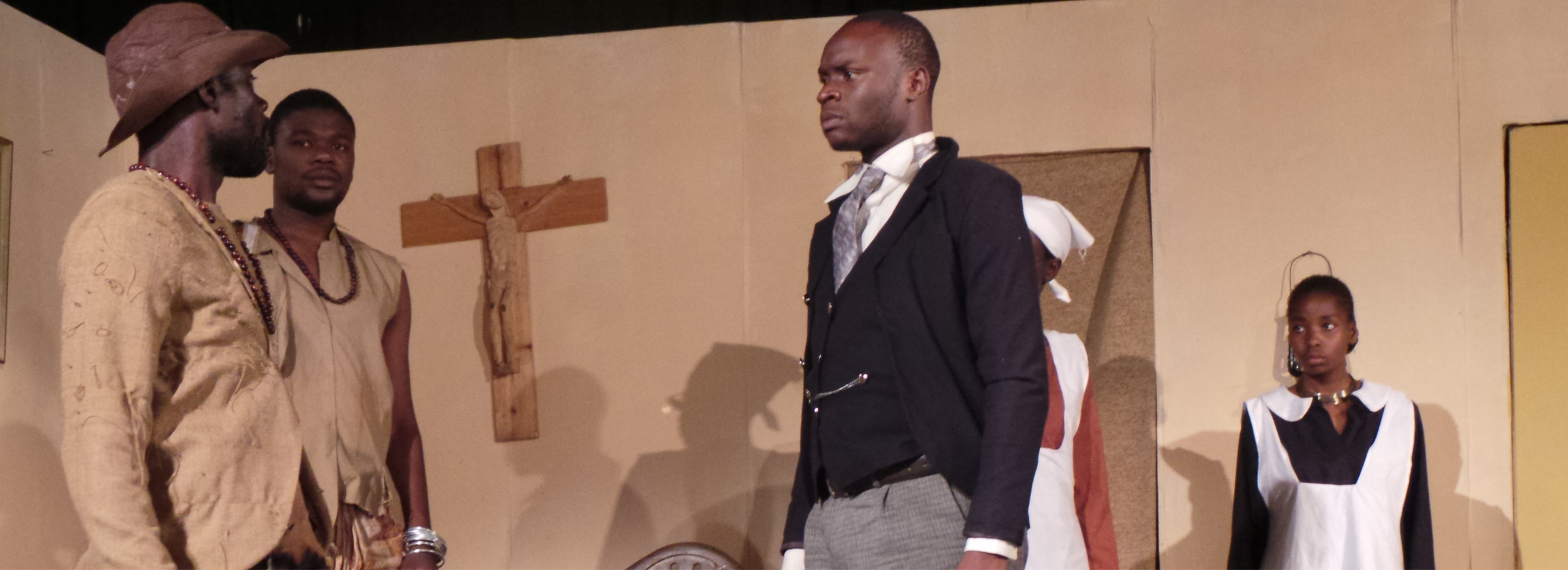
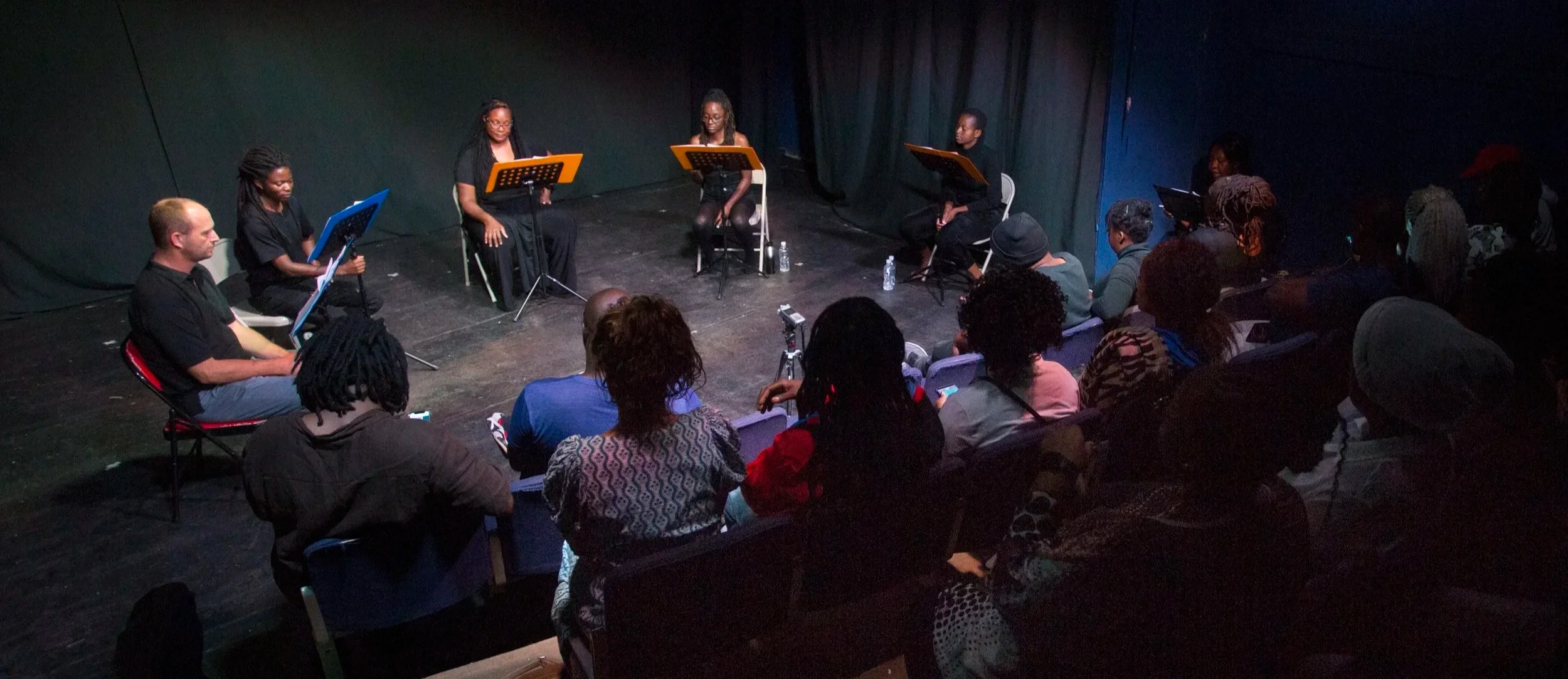
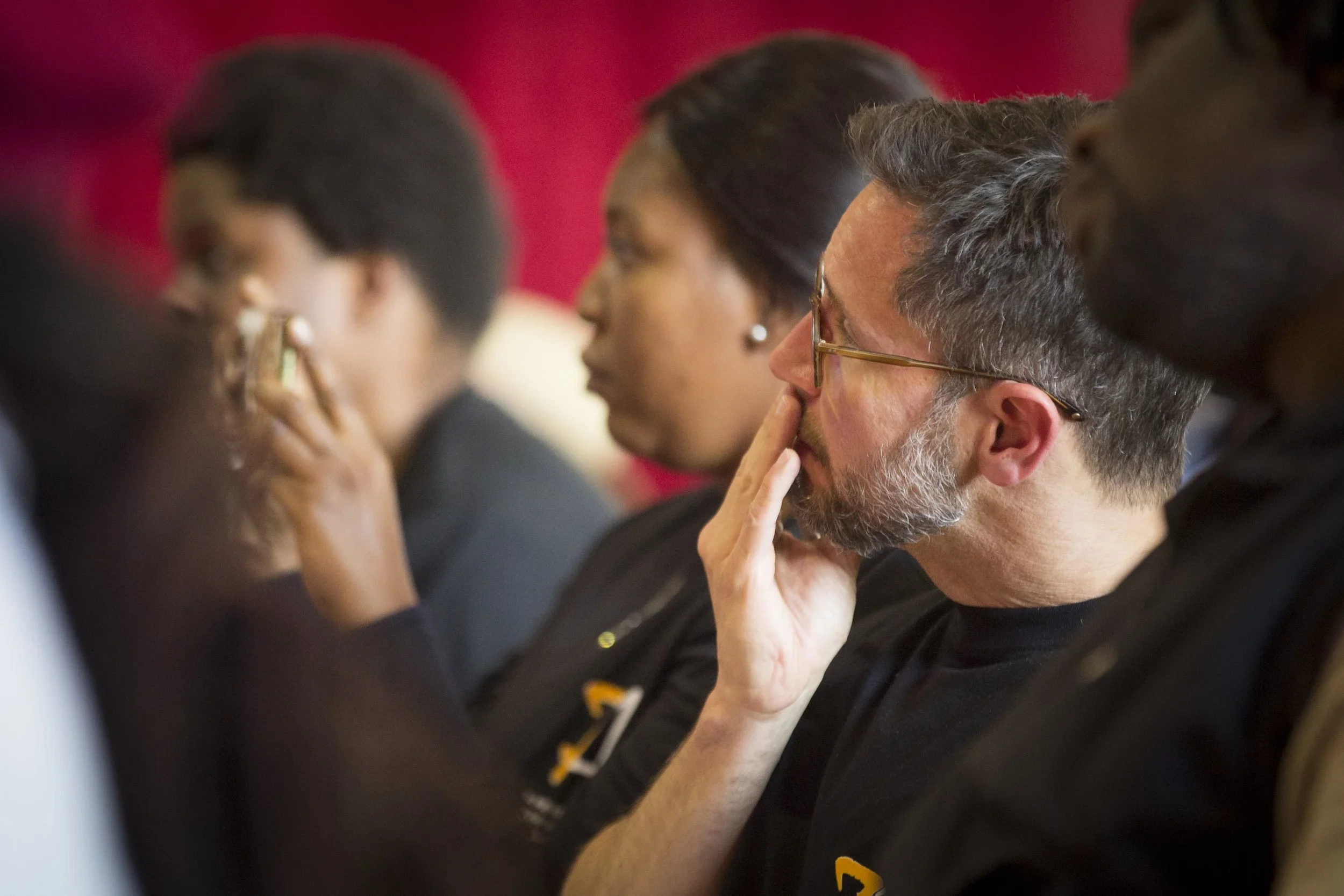
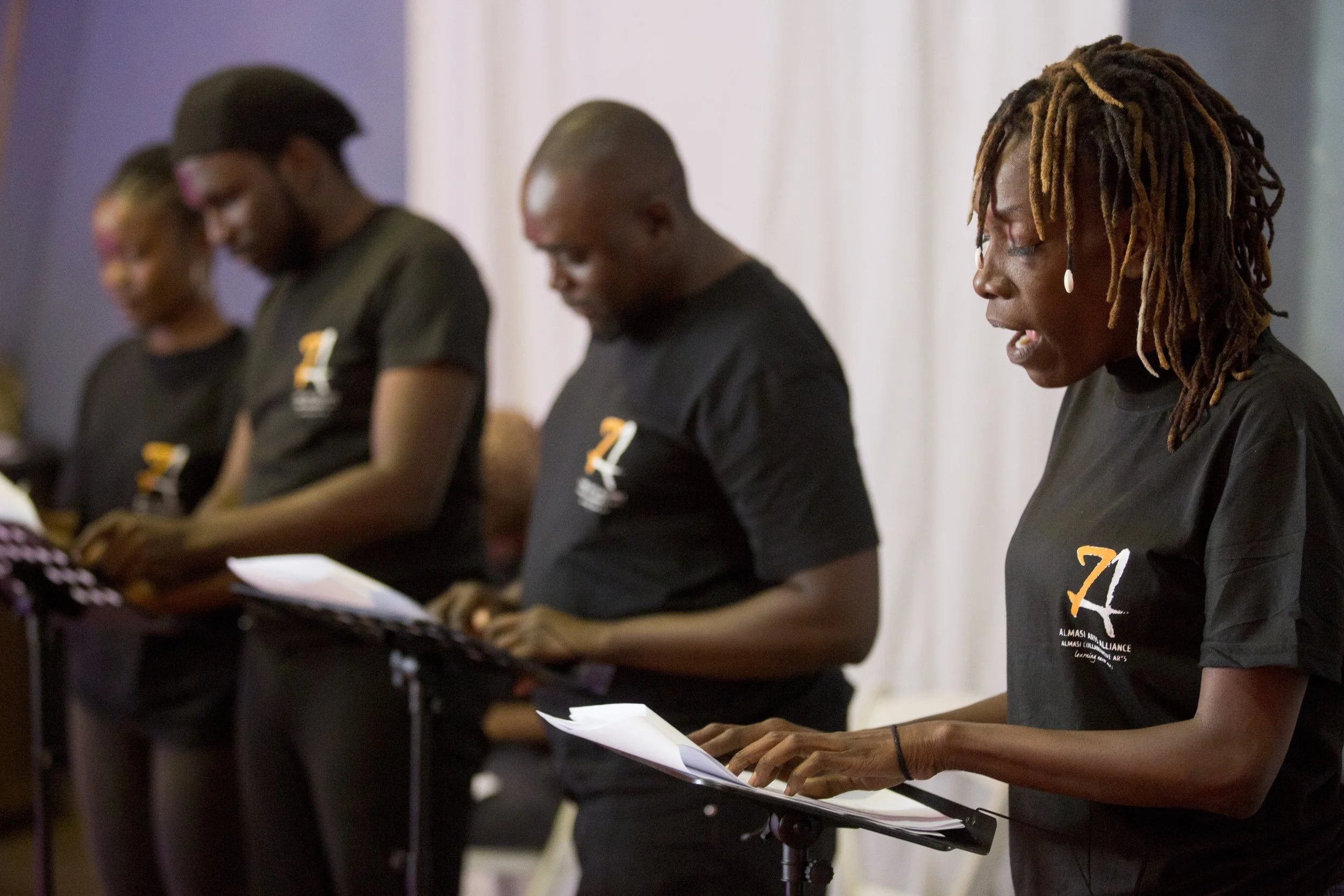
We started 2025 back where theatre belongs, in a room with artists and an audience. In February, we gathered for a staged reading of Henrik Ibsen’s A Doll’s House. We have deepened our stage reading model to make it a workshop in dramaturgy, focusing on understanding the world of the play and the structure of stories, some of which still resonate over a century after they were crafted. Seven actors on stage, a full house leaning in, and a reminder of how alive theatre can feel. A few months later, we carried that energy to Jasen Mphepho Theatre with August Wilson’s Jitney, another great dramaturgical exercise, brought to life by ten actors and a committed creative team. These moments affirmed something simple and powerful: when artists are supported to do serious work, people show up to witness it. It also deepens our artists' understanding of how great works are built.

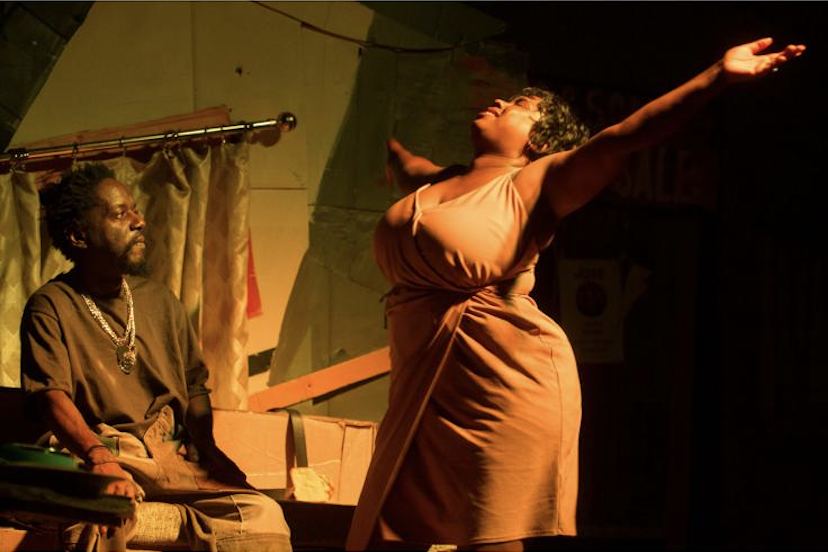
These Humans Are Sick by Tatenda Mutyambizi (Tinevimbo Chimbetete and Michael Kudakwashe)


MAKING SPACE FOR THE WORK

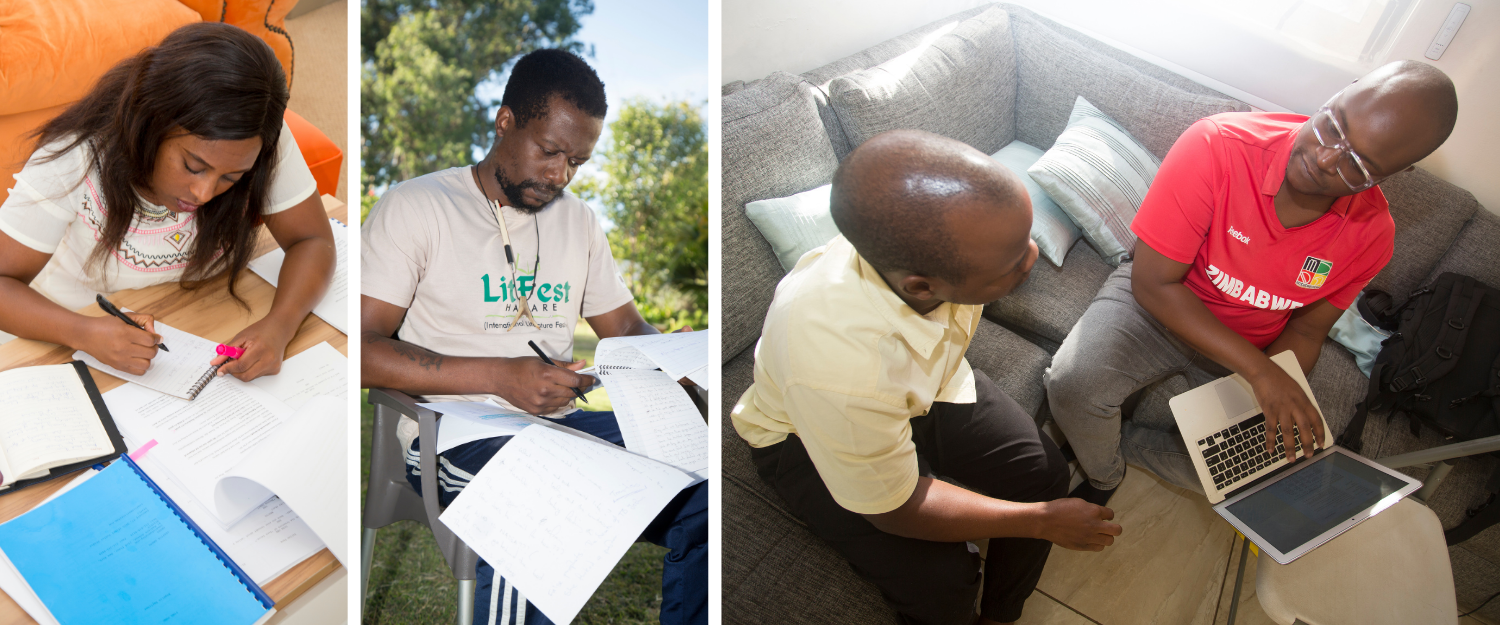
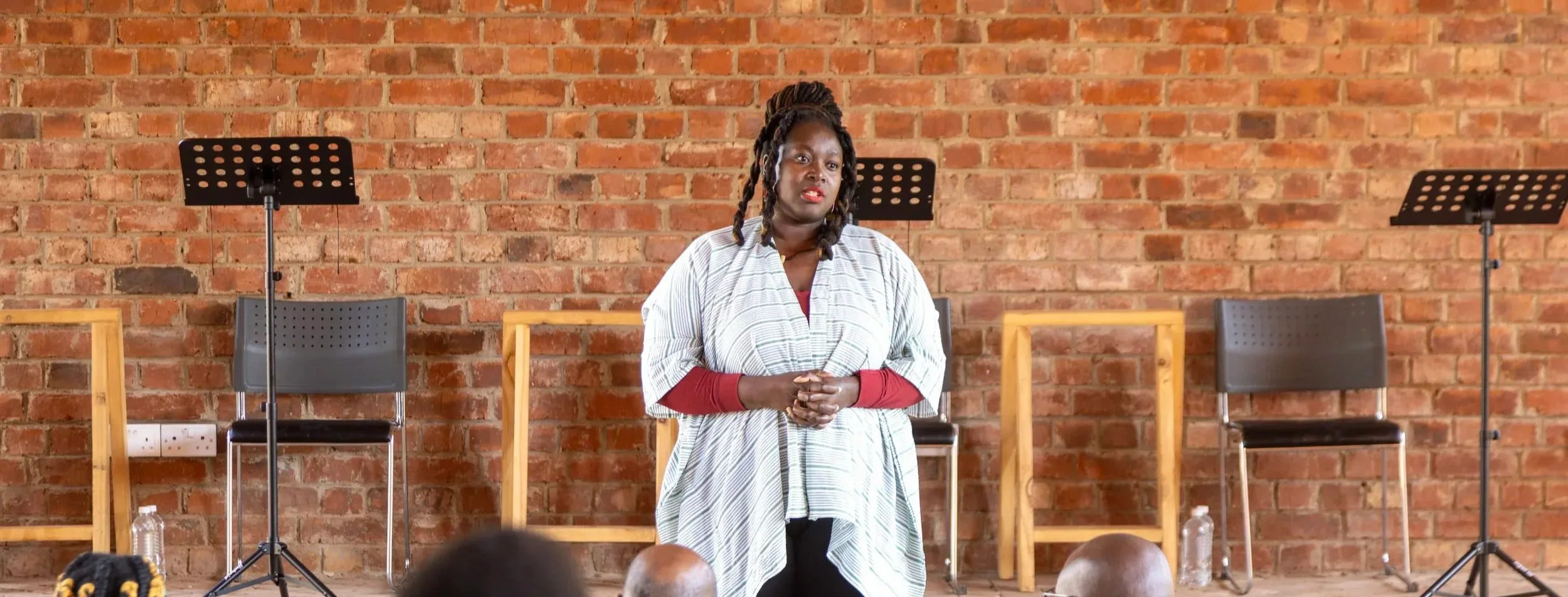
From March to April, Almasi hosted a twelve-day in-residence Writers Retreat in Harare for five playwrights, supported by The Public Theater (NYC). The first of its kind in Zimbabwe, this retreat offered the unusual and rare opportunity for writers to dedicate themselves entirely to their craft, in community. And (hopefully) leave behind the burdens of the cares of the world they inhabit.

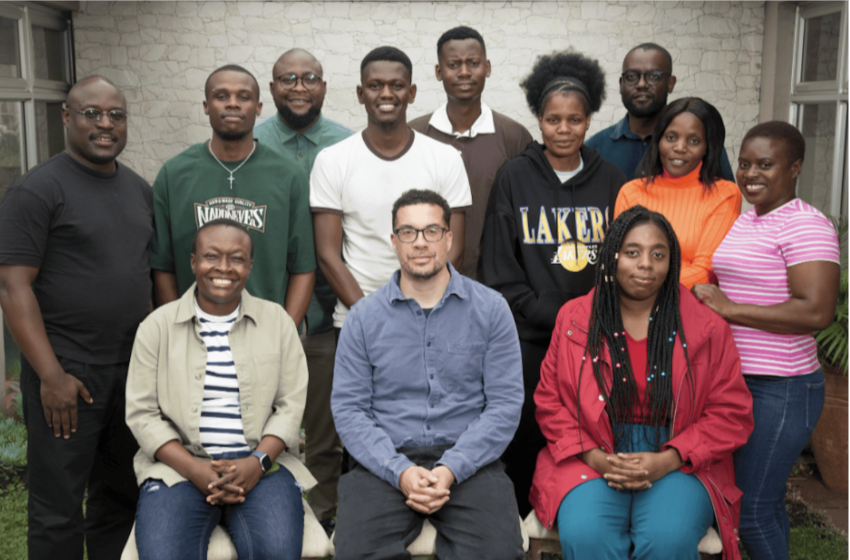
Playwrights Participating in the 2025 Almasi Writers Retreat

Structured around long, silent writing blocks, shared meals, and quiet exchanges, it allowed artists to deepen existing scripts and begin new ones in a stable, supportive, and focused environment. The retreat strengthened the foundation of multiple works, some of which we were able to produce later in the year. We will make this an annual event, creating a reliable safe haven for the nurturing of African writers and their works.


MASTERY IN THE ROOM

Throughout the year, Almasi continued its unique model of being a place where Zimbabwean artists are trained and mentored by some of the most globally respected voices in theatre and film.

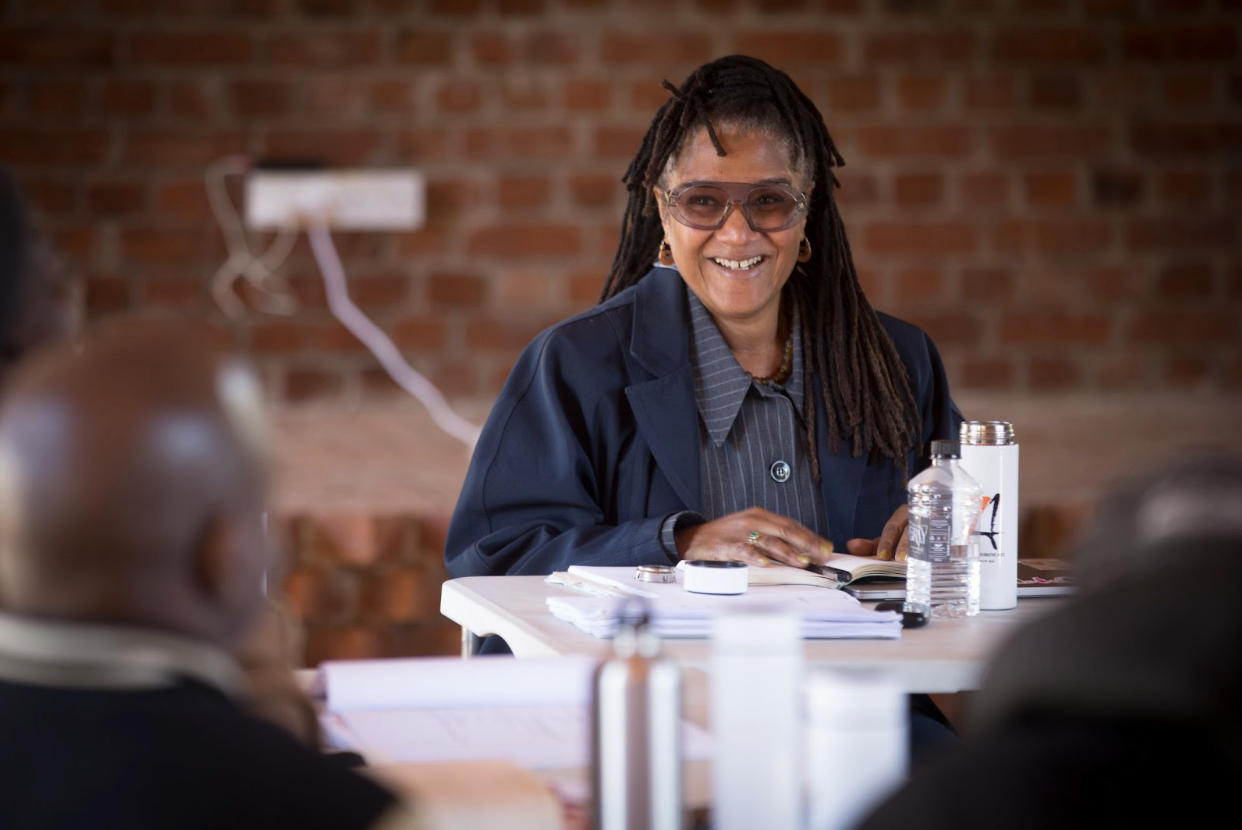
Playwrights rewrote and refined their work under the guidance of two-time Pulitzer Prize winner Lynn Nottage.

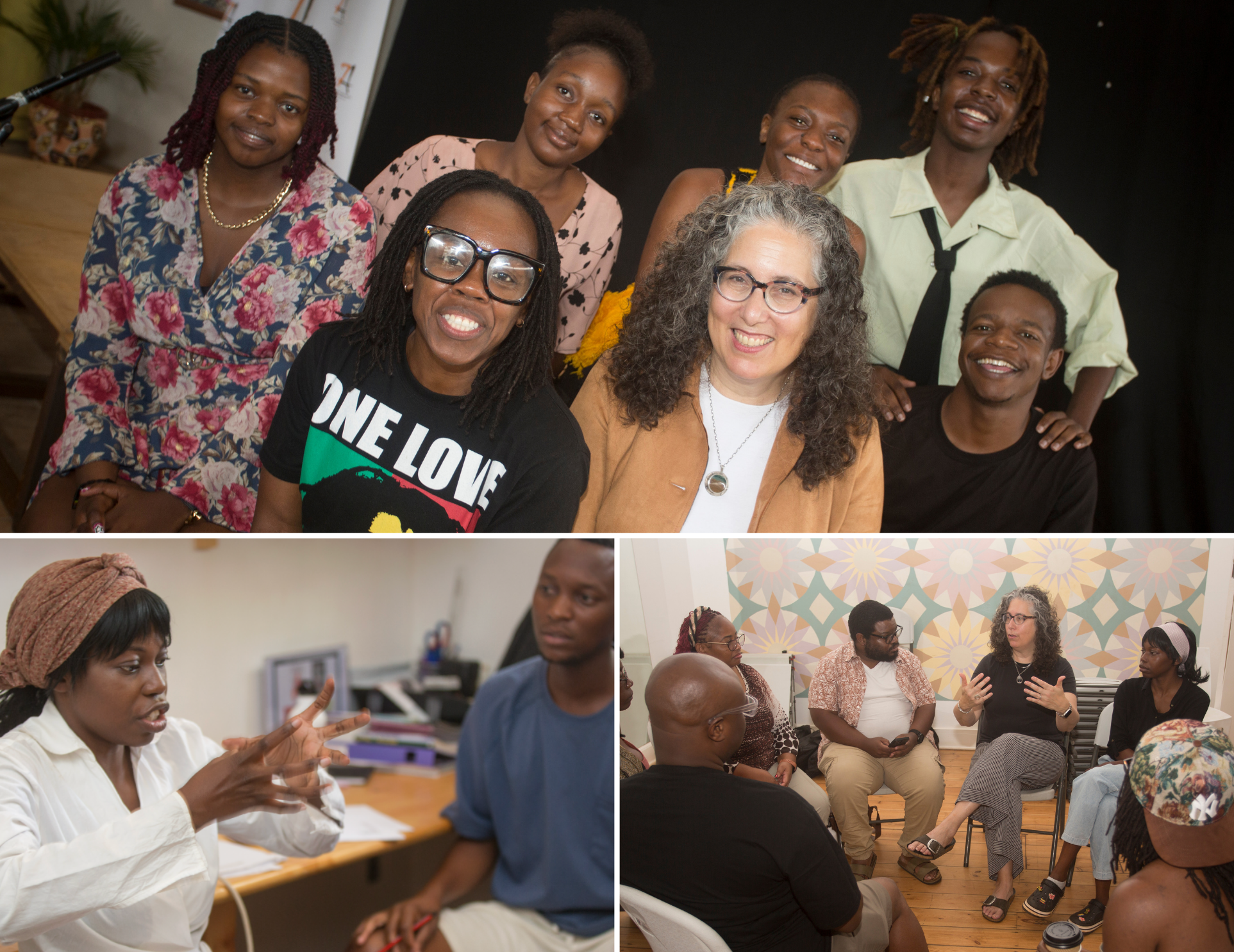
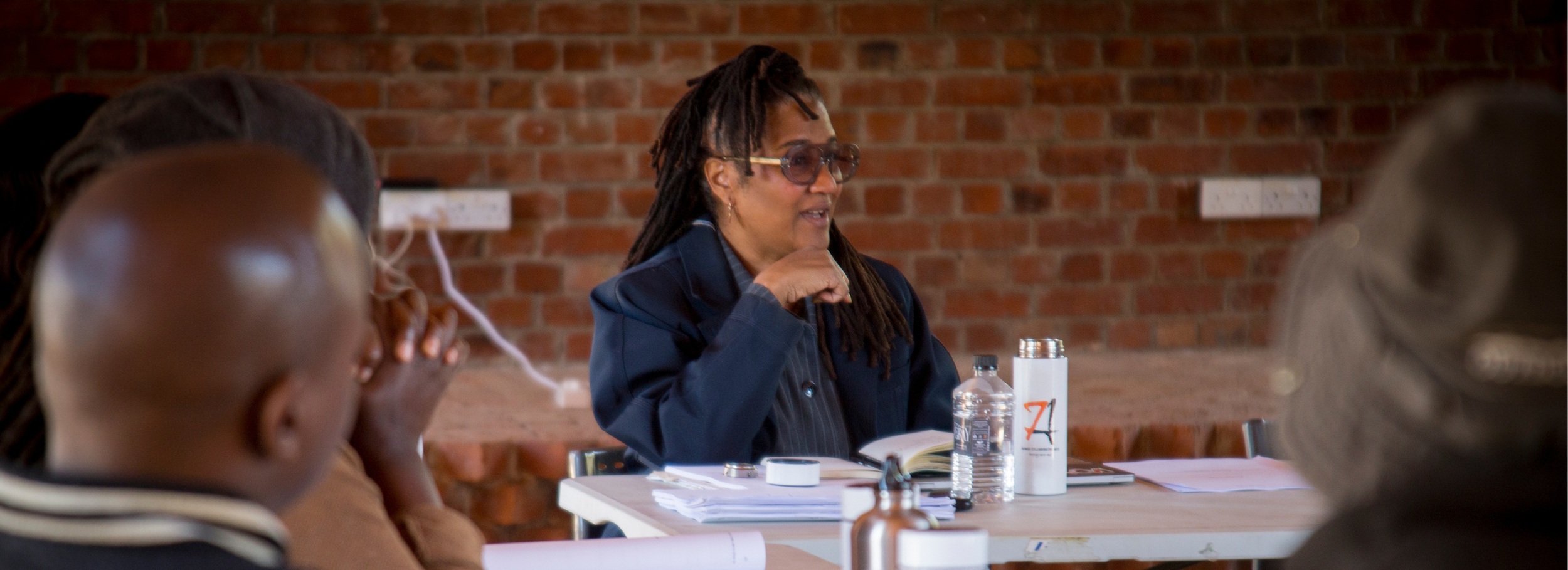
Lynn Nottage Engaging 2025 Almasi Re-Writing Workshop Participants

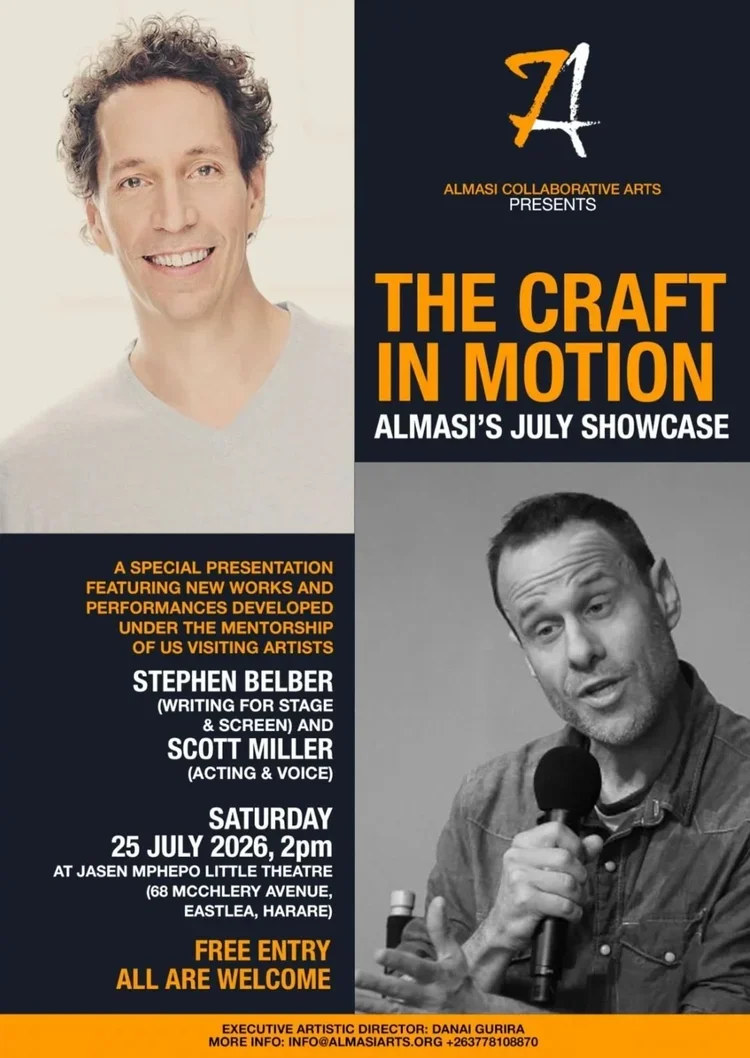
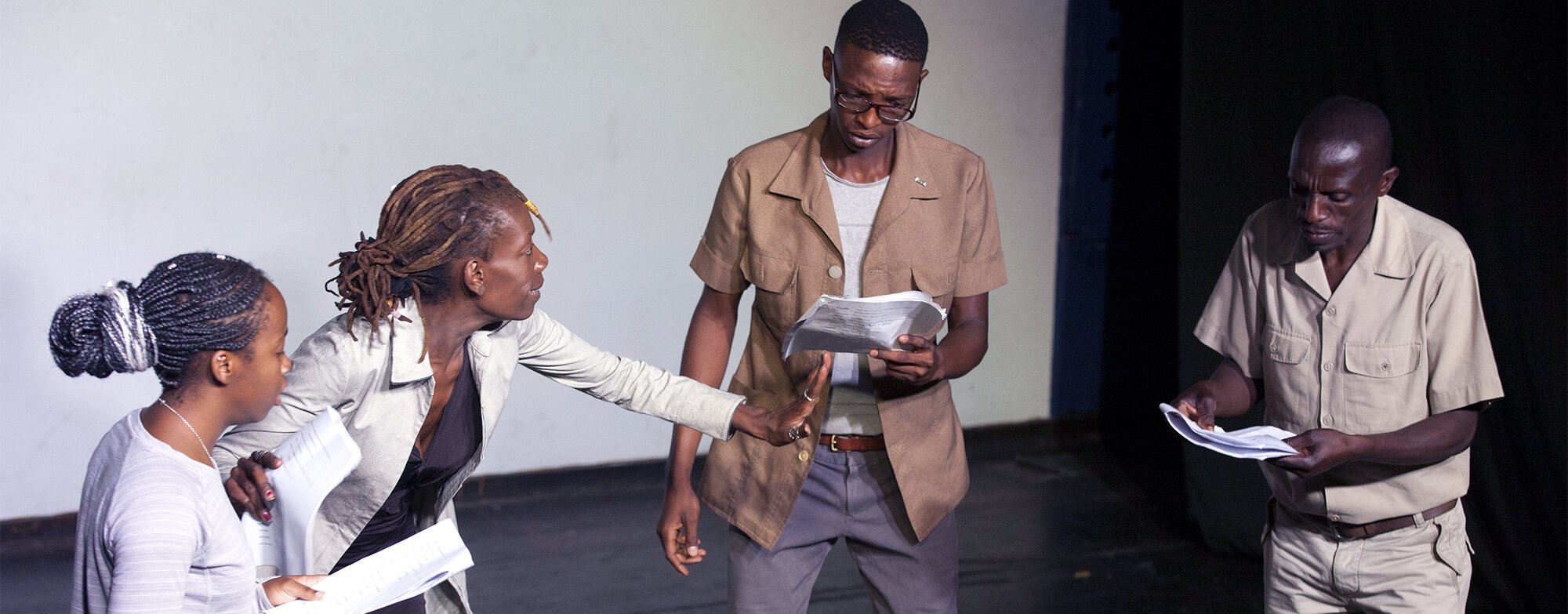
Actors trained with the rigor and discipline of master teacher Peter Francis James, and directors and stage managers deepened their craft through mentorship from Tony Award® winning Emily Mann and Miranda Mikolaizik.

The year closed with a new chapter as Academy Award® filmmaker Ezra Edelman led Almasi’s first documentary filmmaking workshop, opening a pathway into storytelling for the screen and signaling the continued growth of Almasi as a home for serious artistic practice and output.

Ezra Edelman with 2025 Documentary Filmmaking Workshop Participants


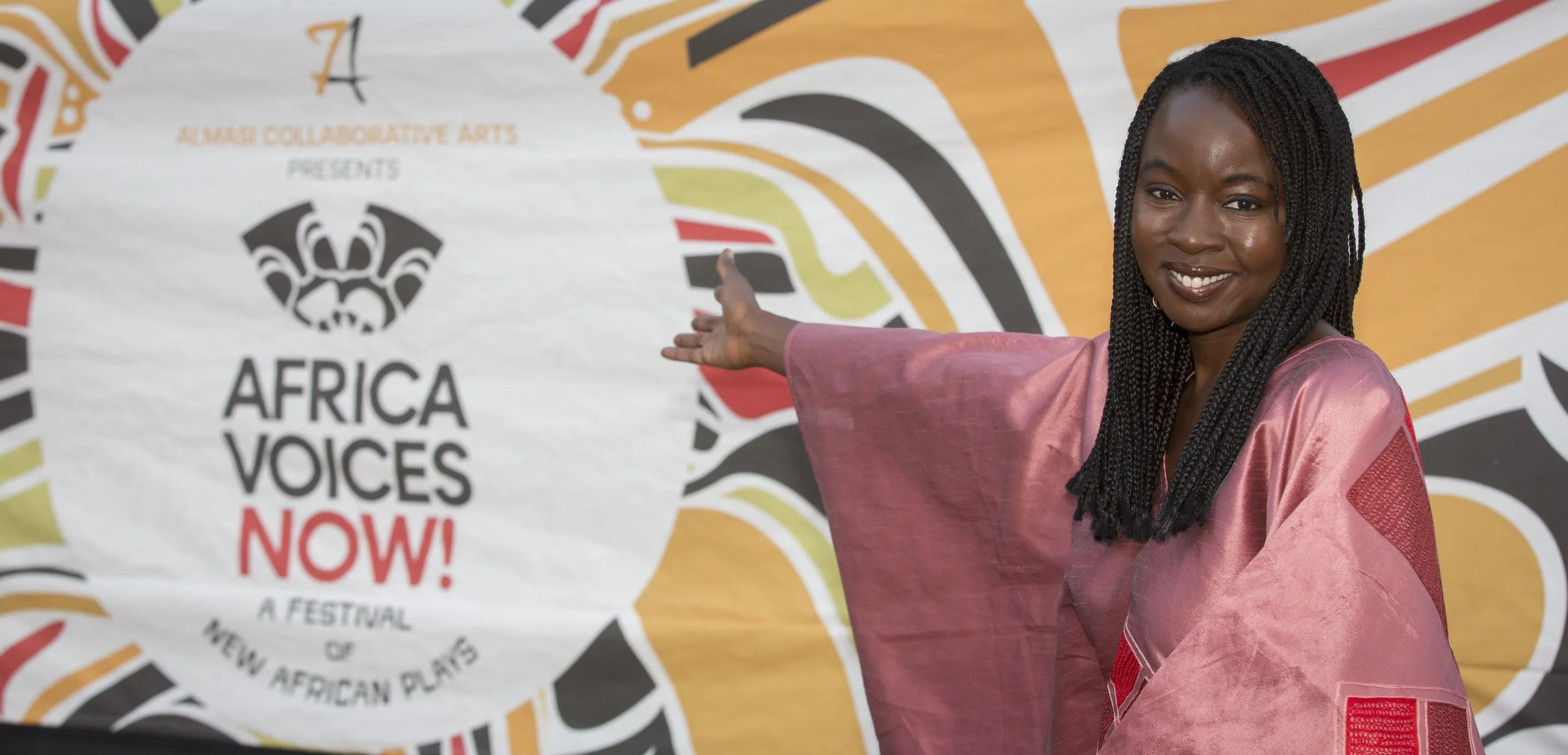
A DEFINING MOMENT: AFRICA VOICES NOW! FESTIVAL

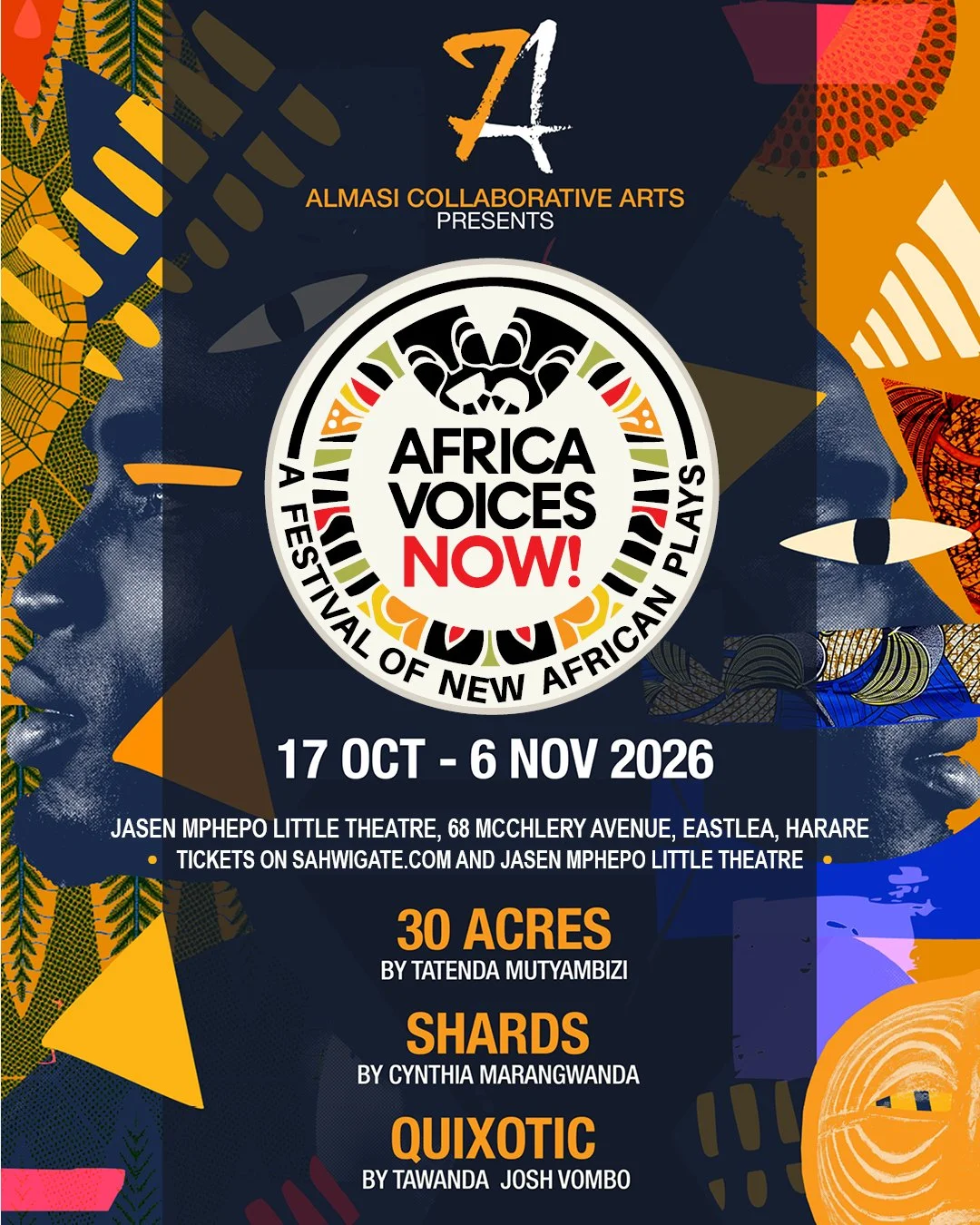
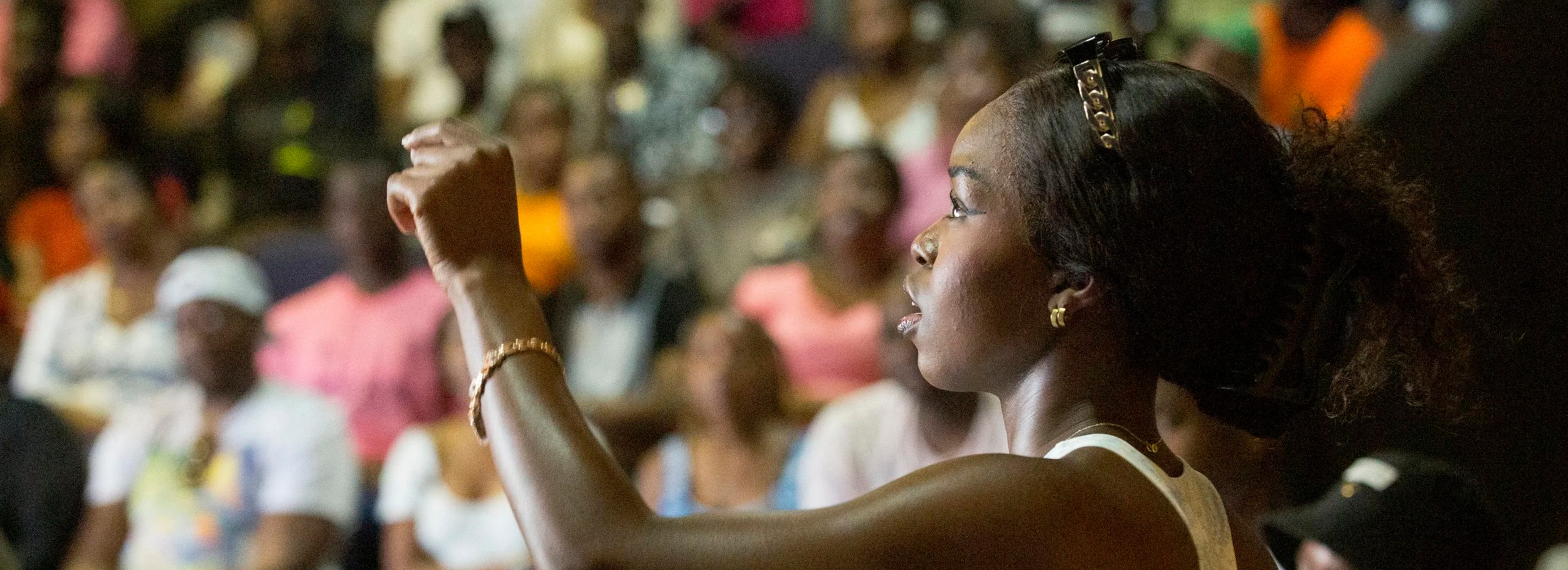
All of this preparation culminated in the inaugural Africa Voices Now! Festival, a moment that marked a turning point for the organization. Performances sold out, with an additional show added to meet demand. Local media championed the work. Businesses contributed resources ranging from technical support to hospitality. Schools and universities engaged enthusiastically, expanding Almasi’s reach within the educational sector. Vendors, musicians, poets, dancers, and designers transformed the festival grounds into a vibrant cultural gathering.

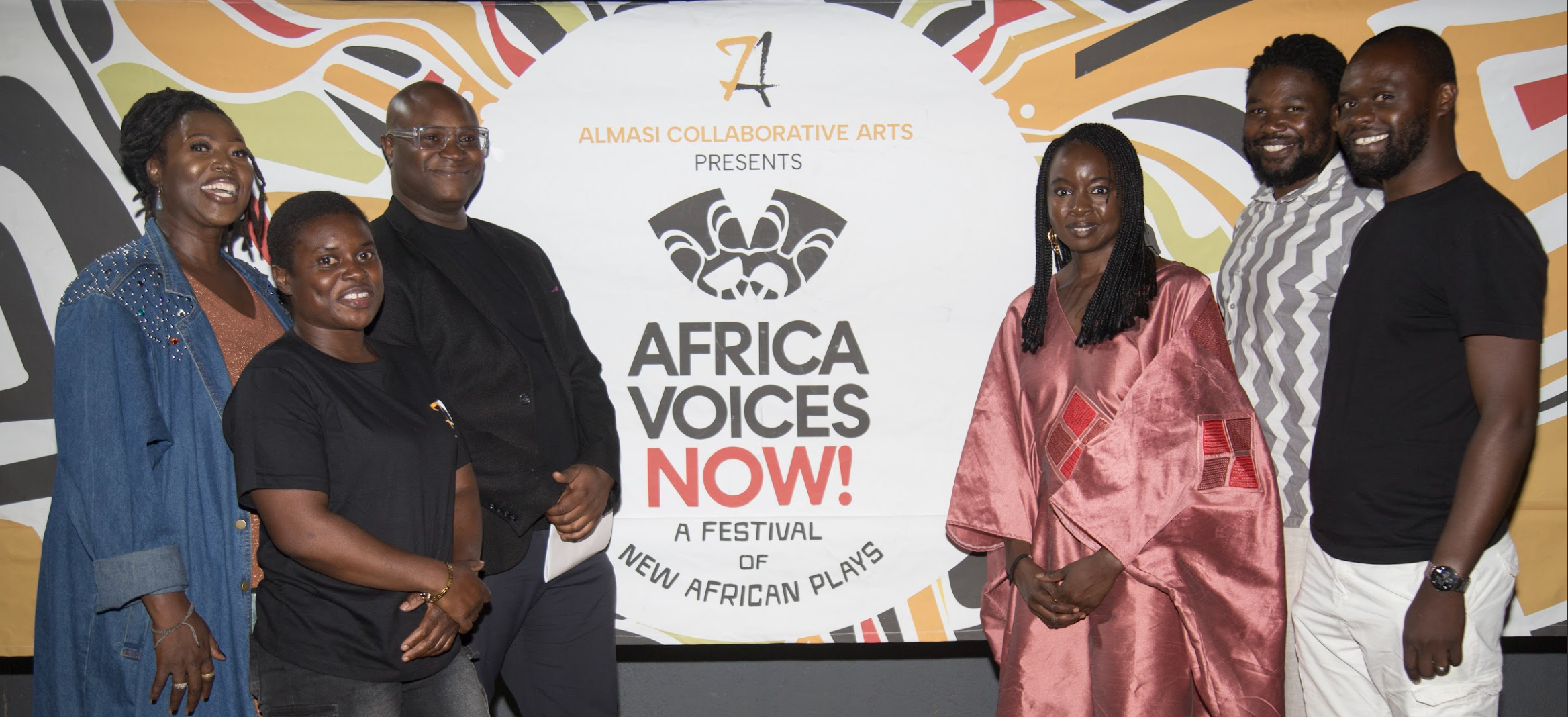
Africa Voices Now! Festival 2025 Opening Night

Most importantly, the work on stage reflected the benefits of sustained development. Audiences described the festival as reminiscent of HIFA, a cultural force long absent from Zimbabwe. The response made clear that a real void had been filled, and that audiences were ready for ambitious, locally rooted, globally resonant theatre.

Can We Talk? by Batsirai Chigama (Munashe Goromonzi and Joanne C. Tenga), The Return by Rudo Mutangadura (Caroline Mashingaidze-Zimbizi), and These Humans Are Sick by Tatenda Mutyambizi (Ronald Sigeca and Chiedza Matabuka)


CLOSING THE YEAR

We closed the year with our signature event, our 8th edition of the Almasi African Playwrights Conference (December 8-20), convening five African playwrights with Mara Isaacs, a Tony Award® and Grammy Award® winning producer, and Ngozi Anyanwu, a Steinberg Playwright Award winner, under the leadership of Programme Director Gideon Wabvuta. This conference nurtures new works with developmental rigor, giving the playwrights a chance to collaborate with top practitioners and deepen a narrative that may one day be celebrated on a global stage. Free and open to the public, the conference concluded in a showcase featuring five staged readings and marked the culmination of the year with a program that has developed over twenty plays since 2015.

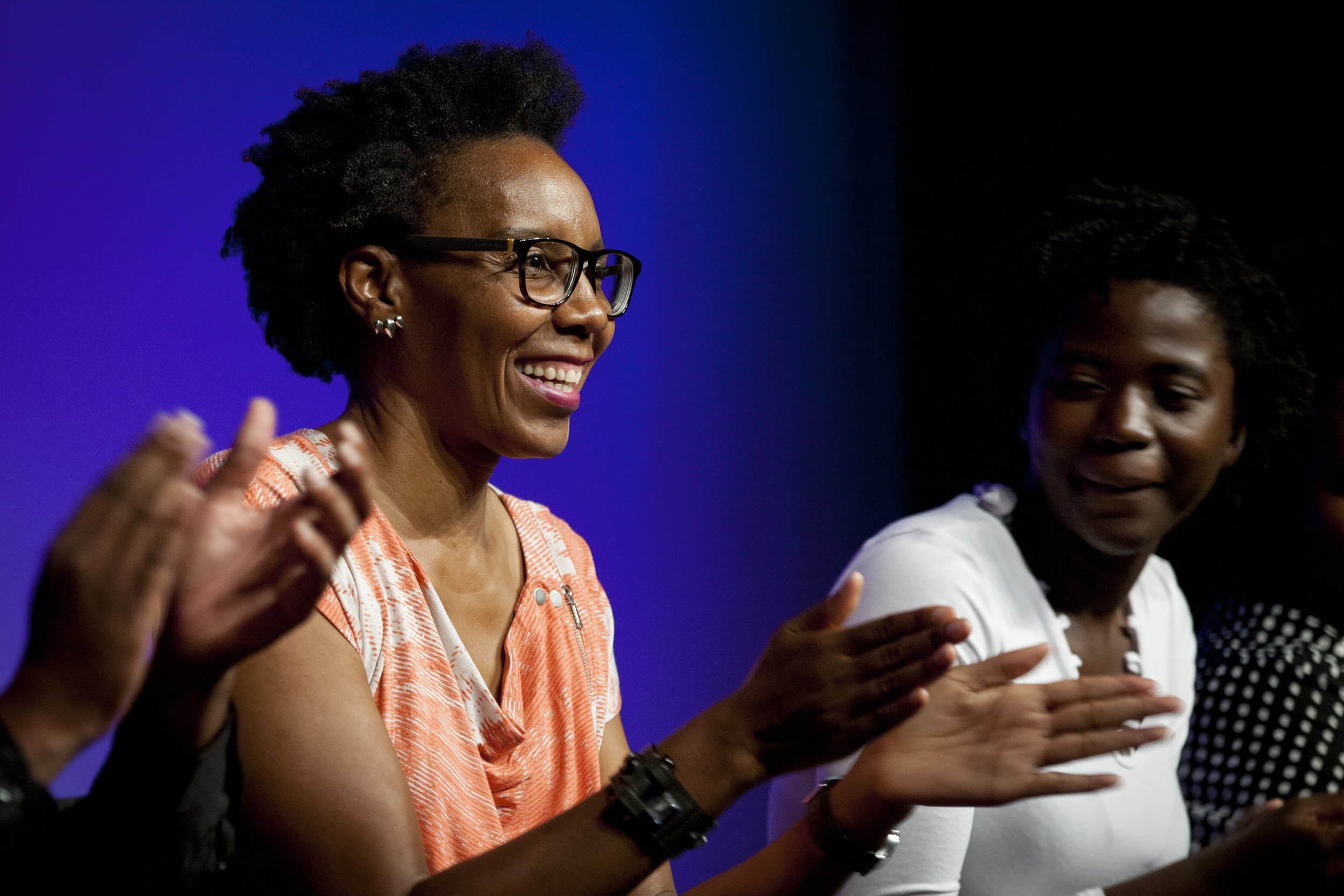
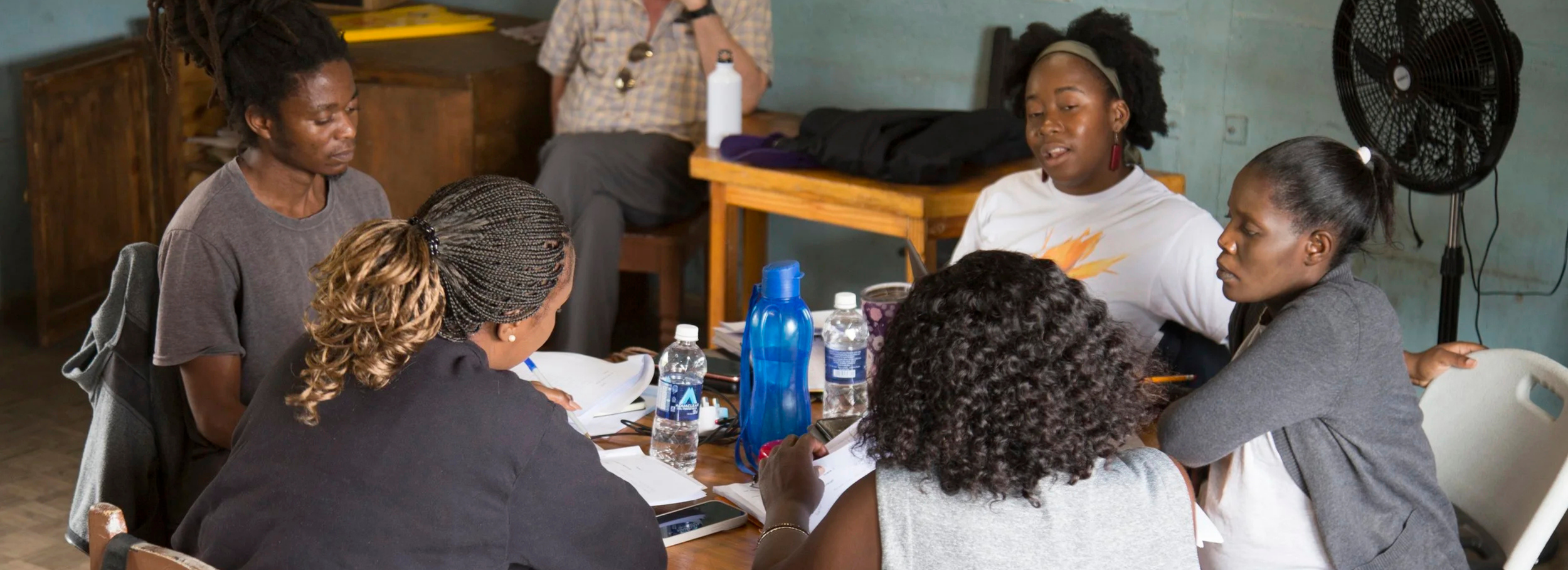
Workshop Sessions from the 2025 Almasi African Playwrights Conference


LOOKING AHEAD

At Almasi, we love to challenge ourselves and those we work with. Our favorite word, and a word we are known for, is RIGOR. 2025 was a year where we put ourselves to the rigor test. It was a year where we challenged ourselves like no other. It demanded endurance, perseverance, coordination, and an unwavering belief in the long view. But the results were remarkable. After thirteen years of quietly building this sector through training and development, Almasi Arts has broken new ground. We enter the coming year with confidence, clarity, and ambition, ready to deepen this work, expand our reach, and continue placing African voices firmly on the global stage. There is a year of great programming ahead. Don’t miss it.

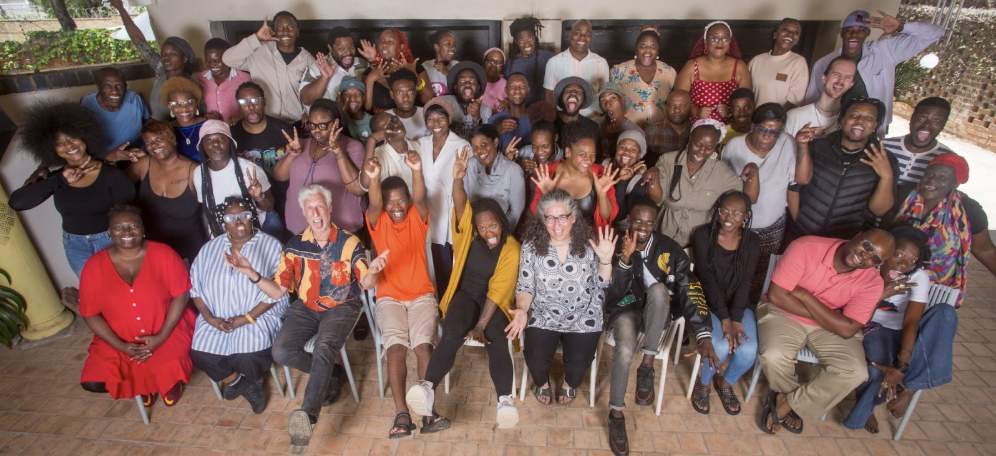
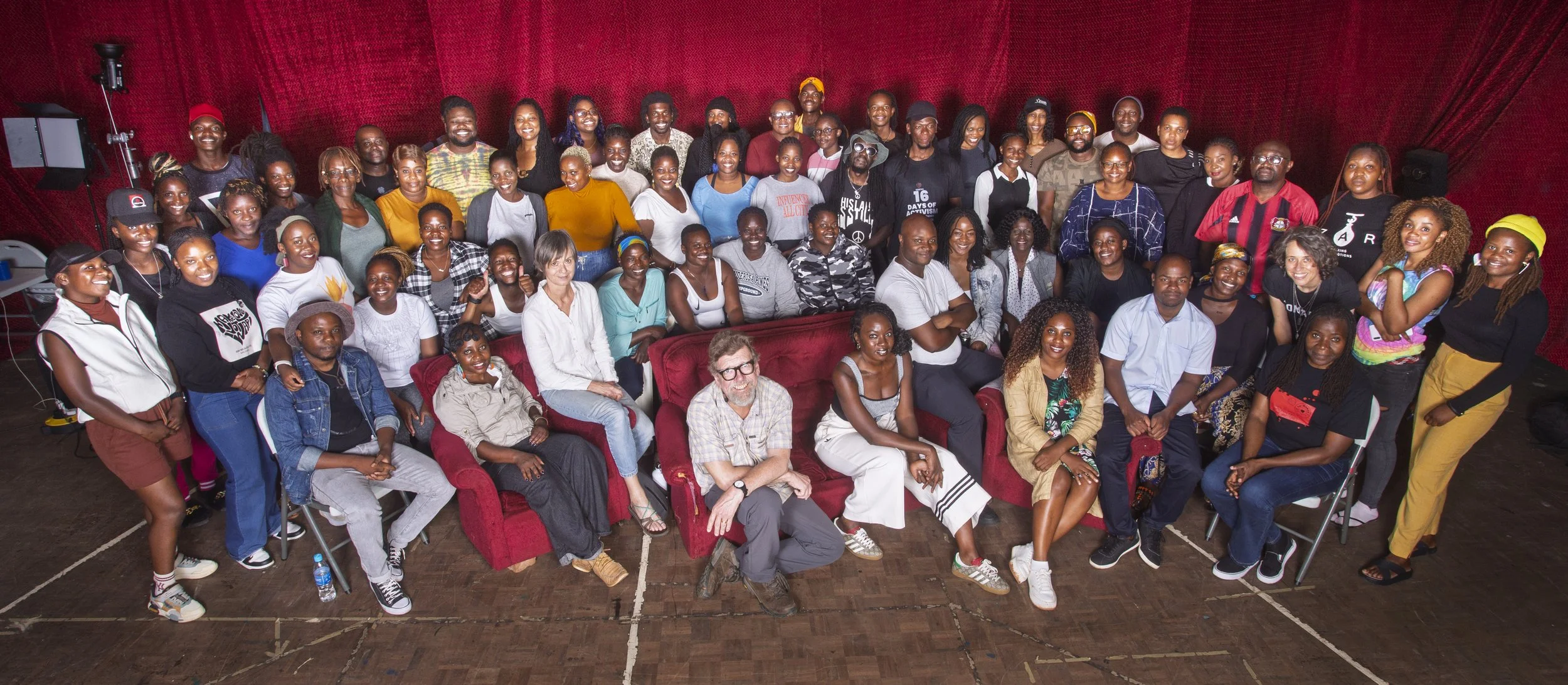
Participants from the 2025 Almasi African Playwrights Conference


WITH GRATITUDE

I want to end by thanking the Almasi team. Your discipline, care, and belief carried this work forward day after day, often behind the scenes. You held artists, audiences, partners, and each other with integrity and seriousness, and you did so while building something that did not yet fully exist. Trusting the vision with determination and perseverance. What we achieved in 2025 is a direct reflection of your commitment to the future of a sustainable African entertainment sector that we can and will see brought to pass.

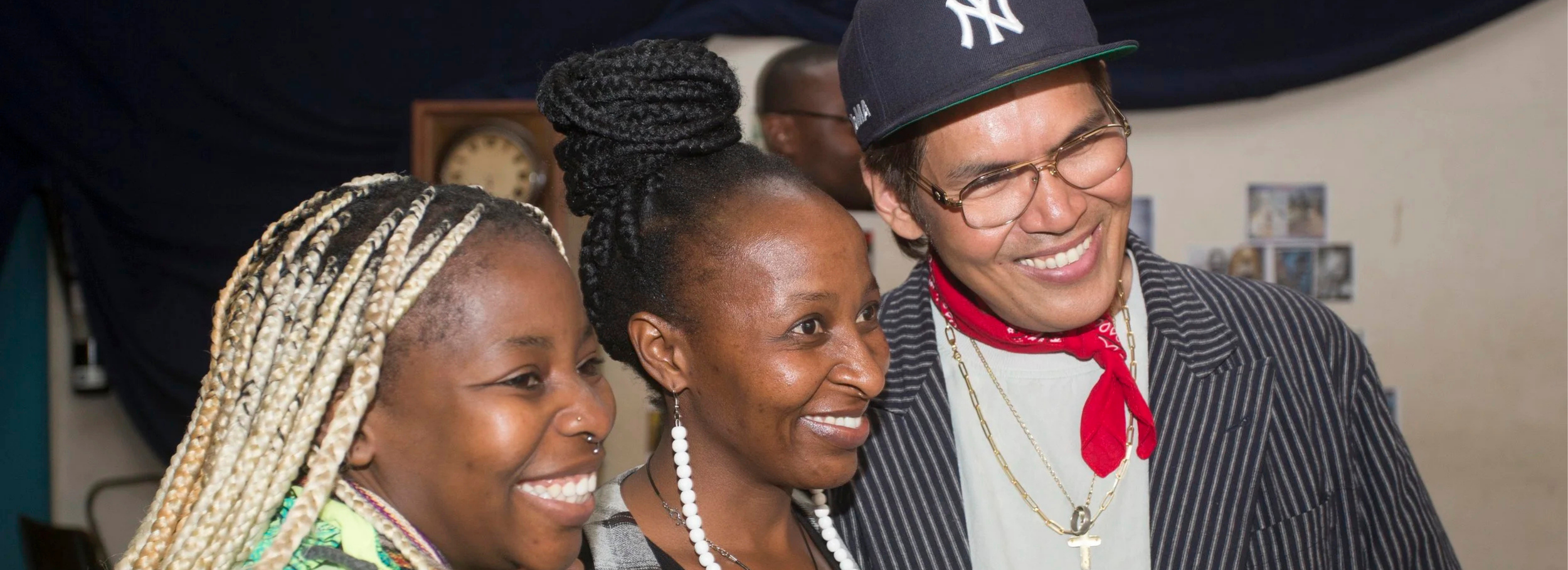
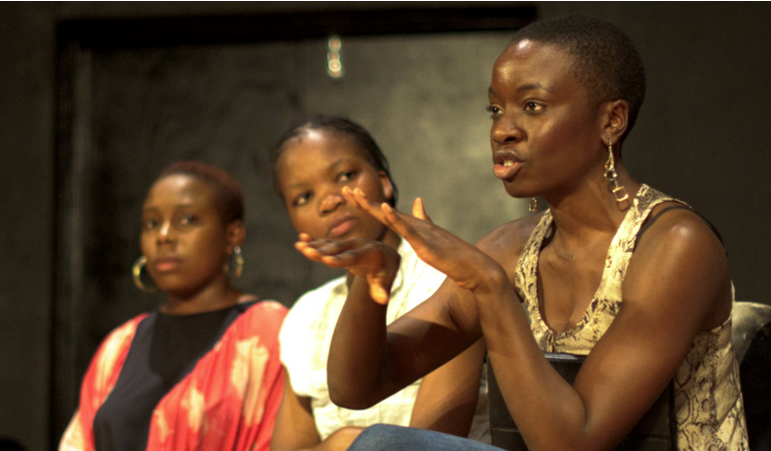
The Almasi Team (Zaza Muchemwa, Prudence Kalipinde, Gideon Wabvuta, Danai Gurira, Tafadzwa Bob Mutumbi, and Kudakwashe Kanembirira)


History & Background

Almasi was co-founded in 2011 by Zimbabwean-American actress and playwright Danai Gurira. Gurira was deeply compelled to build infrastructure that allows African artists the ability to flourish in their craft professionally as she had been afforded in the West. The organization was built with a vision to develop skills, hone craft and create opportunities for African artists within Africa and collaborate with top American artistic counterparts. Almasi is also designated to foster a culture of excellence and professionalism in the dramatic arts industry in Zimbabwe and throughout Africa.

Almasi operates as a collaborative organization, meaning that it works with various partners to achieve its goals. Some of its partners include the McCarter Theatre Center (Princeton University), Ojai Playwright’s Conference (Los Angeles), the Wholly Mammoth (Washington DC), the Yale School of Drama, The Public Theater (New York) and the University of Zimbabwe.  Almasi also works with local organizations in Zimbabwe, such as the Harare International Festival of the Arts, the Zimbabwe Theatre Academy, and the Reps Theatre.


Vision & Mission

Almasi’s vision is to build a professional dramatic arts industry in Zimbabwe and Africa as a whole, and to showcase the African dramatic arts voice to the world. Almasi’s mission is to provide education, facilitation, as well as collaboration opportunities for African artists with American artists and artistic institutions. As well as create professional opportunities for African artists and their works. 

Almasi’s work is guided by four core values: excellence, collaboration, empowerment, and professionalism. Almasi strives to teach and uphold the highest standards of quality and professionalism in its work, to foster a spirit of teamwork and mutual respect among its partners and participants, to equip African artists to pursue their artistic dreams and goals, and to create positive social change through the power of the dramatized African narrative. Almasi also seeks to provide artists with fair renumeration, as it fosters sustainable dramatic arts infrastructure on the continent. 

Almasi offers various programs and projects that align with its vision and mission. Some of these include:

The Dramatic Writing Program, which trains and mentors African screenwriters and playwrights and dramaturges, and provides them with opportunities to develop and produce their work in Africa and the US.

  • The Artist Exchange Program facilitates artistic residencies and exchanges between African artists and American artists and artistic institutions, and enables cross-cultural learning and artistic development. The opportunity also affords  African artists to go to the US for professional degrees, through our Fellowship programs. 

  • The Dramatic Reading Series, showcases renowned new and existing plays, and engages and grows local audiences in discussions and feedback sessions. All this nurtures Dramatic Literacy in African artistic communities. The Dramatic Reading Series also affords Almasi the opportunity to continually train African artists and give them fair renumeration for their work, stimulating the local arts economy. 

  • The Professional Development Workshops,  grows and enhances the skills and knowledge and professionalism for African artists and practitioners in various aspects of the dramatic arts, such as acting, writing, directing, producing, and stage management.

  • The Community Outreach Program, engages and educates the general public and the youth in Zimbabwe (and the continent) about the dramatic arts, and promotes social awareness and civic engagement through theatre.


Achievements & Impact

Almasi has achieved and delivered many tangible and intangible outcomes and benefits through its work. Some of these include:

  • Producing and presenting staged readings (free to the public) of plays by over 30 renowned playwrights, such as Homecoming Queen by Ngozi Anyanwu, School Girls by Jocelyn Bioh, Her Portmanteau by Mfoniso Udofia and Ruined by Lyn Nottage.

  • Almasi African Playwrights Conference in its 7th edition which brings together over fifty creatives, writer, actors, directors and stage managers to develop African stories. To date the conference has developed over twenty  new African plays. The only of its kind on the continent. 

  • Training and mentoring African writers and dramaturges, some of whom have gone on to win awards and recognition, as well as been accepted into top American professional institutions and matriculated with professional degrees. 

  • Facilitating artistic residencies and exchanges between African artists and American artists and artistic institutions, such as the The Public Theatre, the McCarter Theatre Center, the Wholly Mammoth Theatre, and the University of Zimbabwe.

  • Enhancing the skills and capacity of over 500 African artists and practitioners to date in various aspects of the dramatic arts industry, including  acting, writing, directing, producing, and stage management.

  • Engaging and educating members of the general public and the youth in Zimbabwe about the dramatic arts.

Almasi functions on an each one teach one system, where our trained artists become trainers. This facilitates a growth of the Almasi ethos of excellence, professionalism and collaboration. Our artists who have matriculated in the US with professional degrees have returned to Africa, to build the industry locally. 


Overview

Almasi is an arts organization that is dedicated to bringing the African dramatic voice to the world. We believe that the African narrative must be told by Africans and at a global, competitive standard that will allow Africa a more powerful cultural impact. Almasi seeks to build an infrastructure in the Dramatic Arts that will be self sustaining and function at a level of professional excellence that it will grow the GDP of the entire continent.  Almasi has a successful record of over a decade of programming and professionalizing the African arts sector, a clear vision and mission, and a remarkable record of achievements and impact. Almasi is a diamond in the arts, and a shining example of what can be accomplished through vision, education, facilitation, and collaboration.

Our goal is to grow and replicate the Almasi model throughout the continent, growing the industry and a powerful network of professionally trained African story tellers. 


LATEST BLOG POSTS


CONFERENCES

HELP US CREATE AN OPPORTUNITY TODAY


Connect With us on Social