A Raisin in the Sun
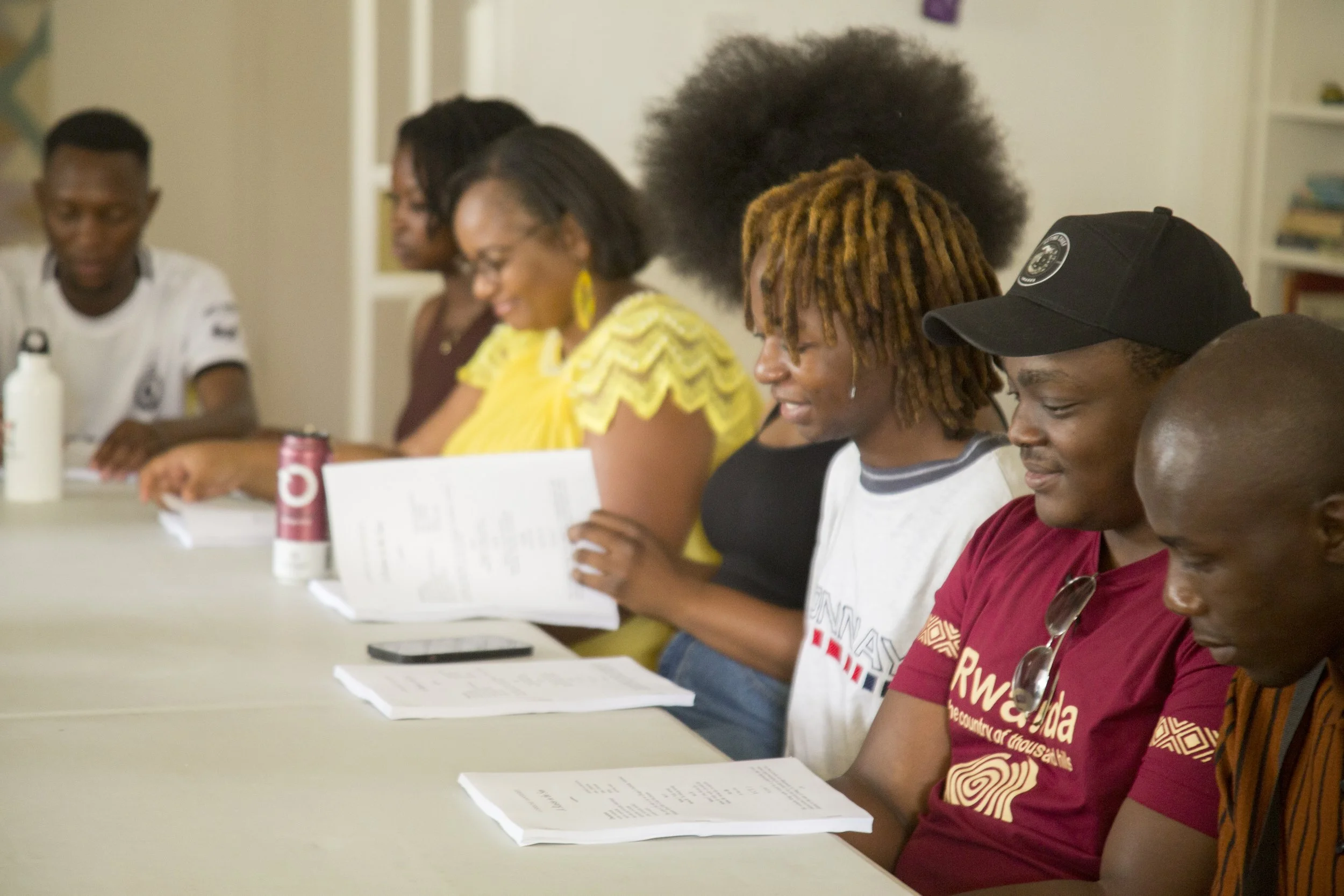
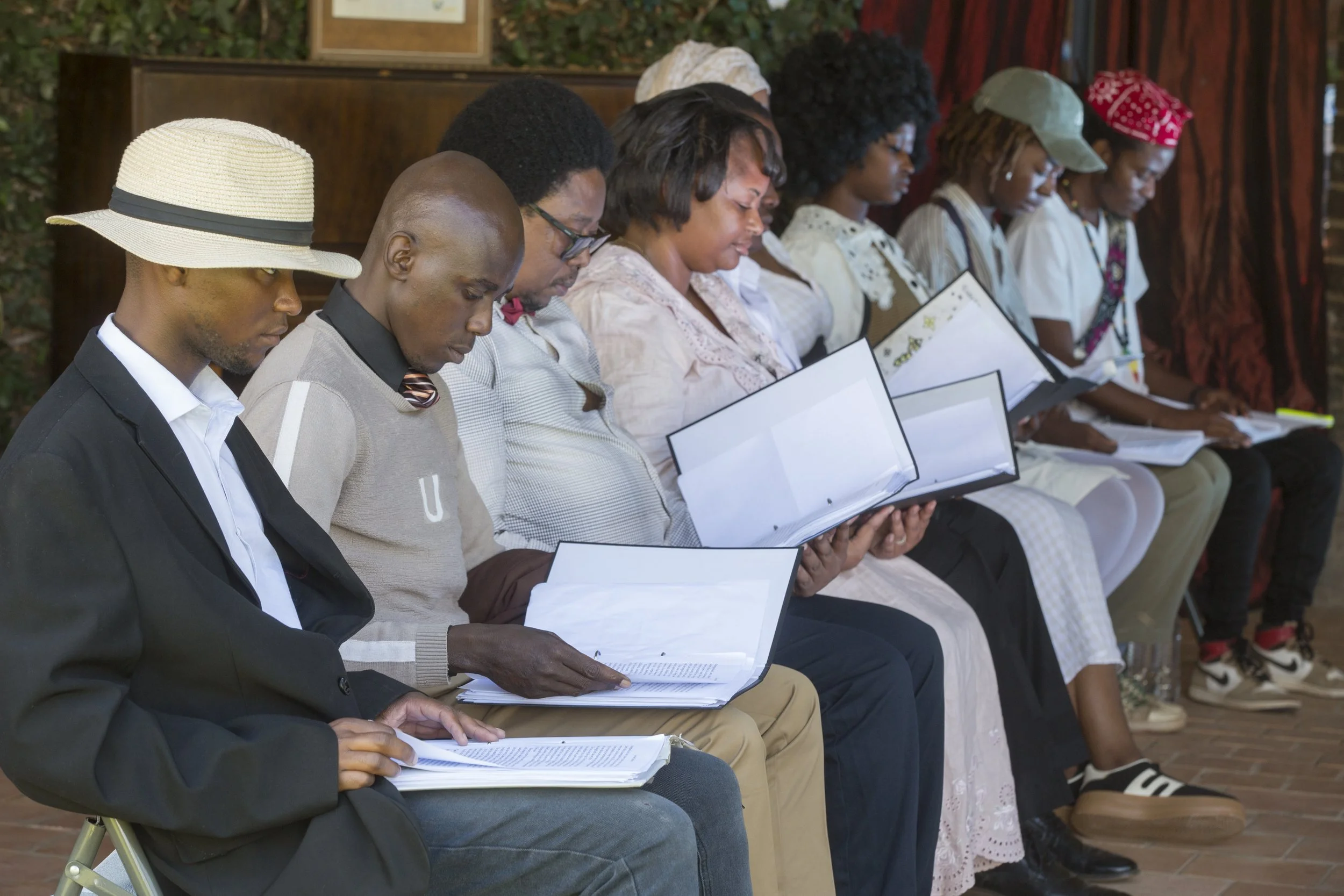
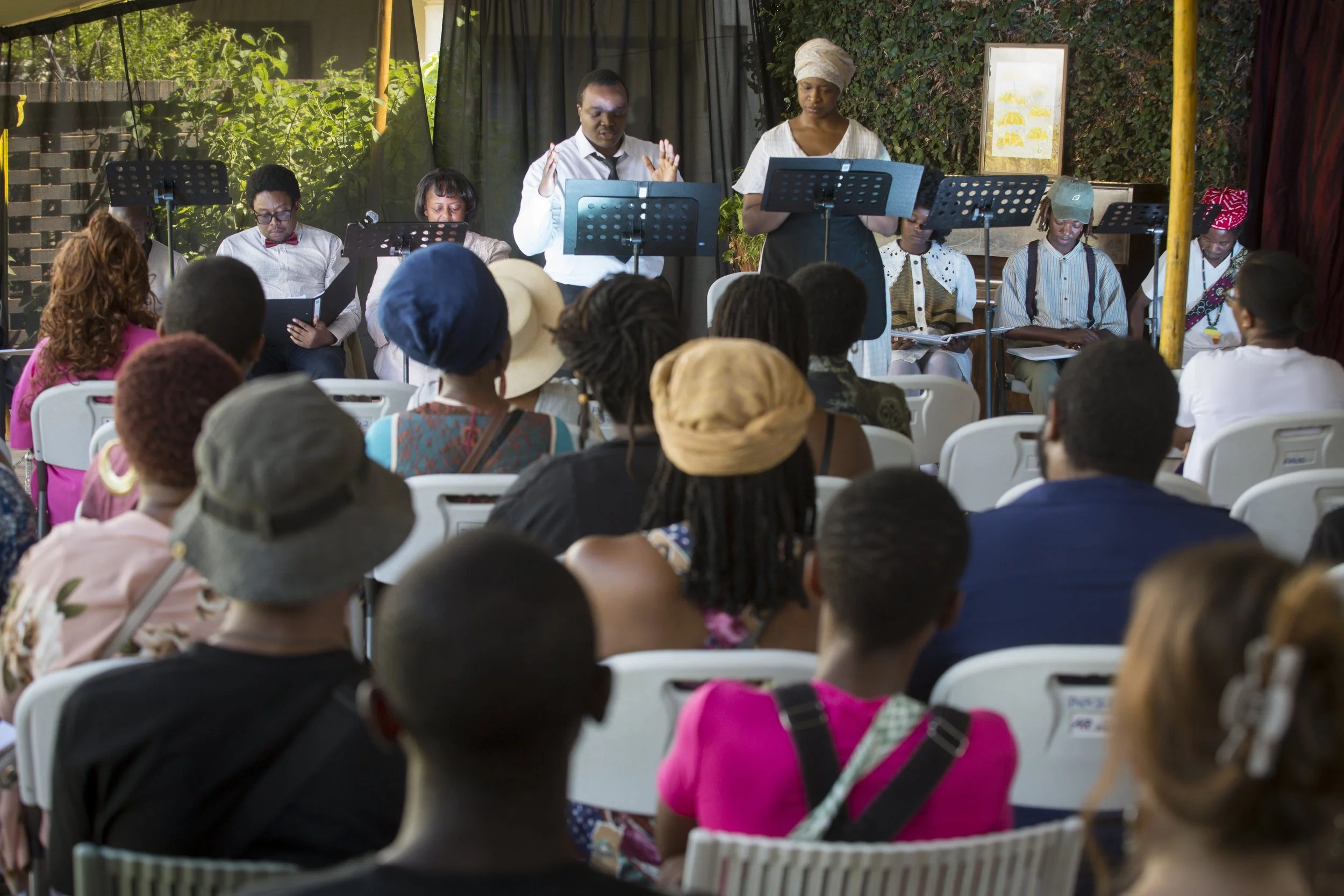
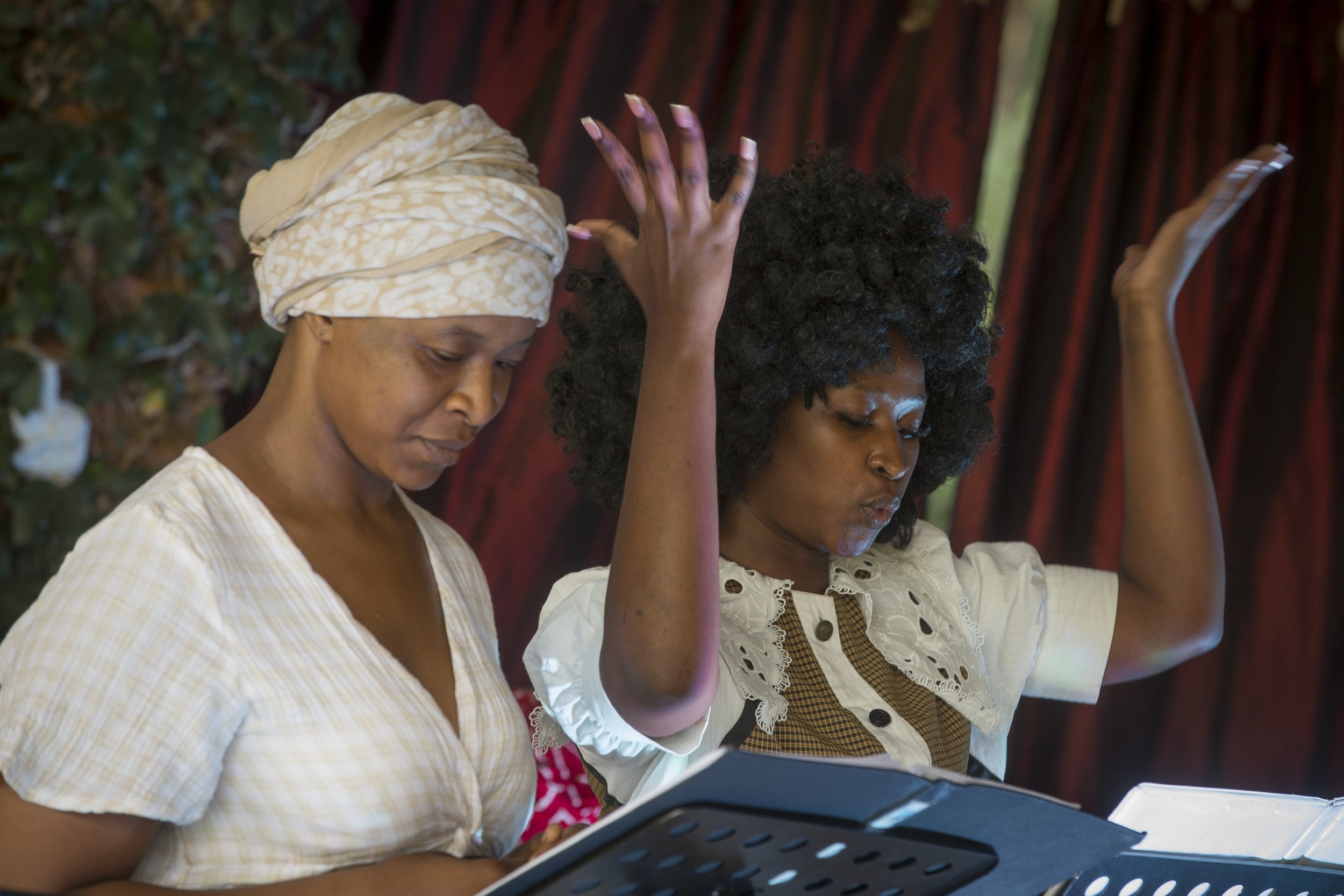
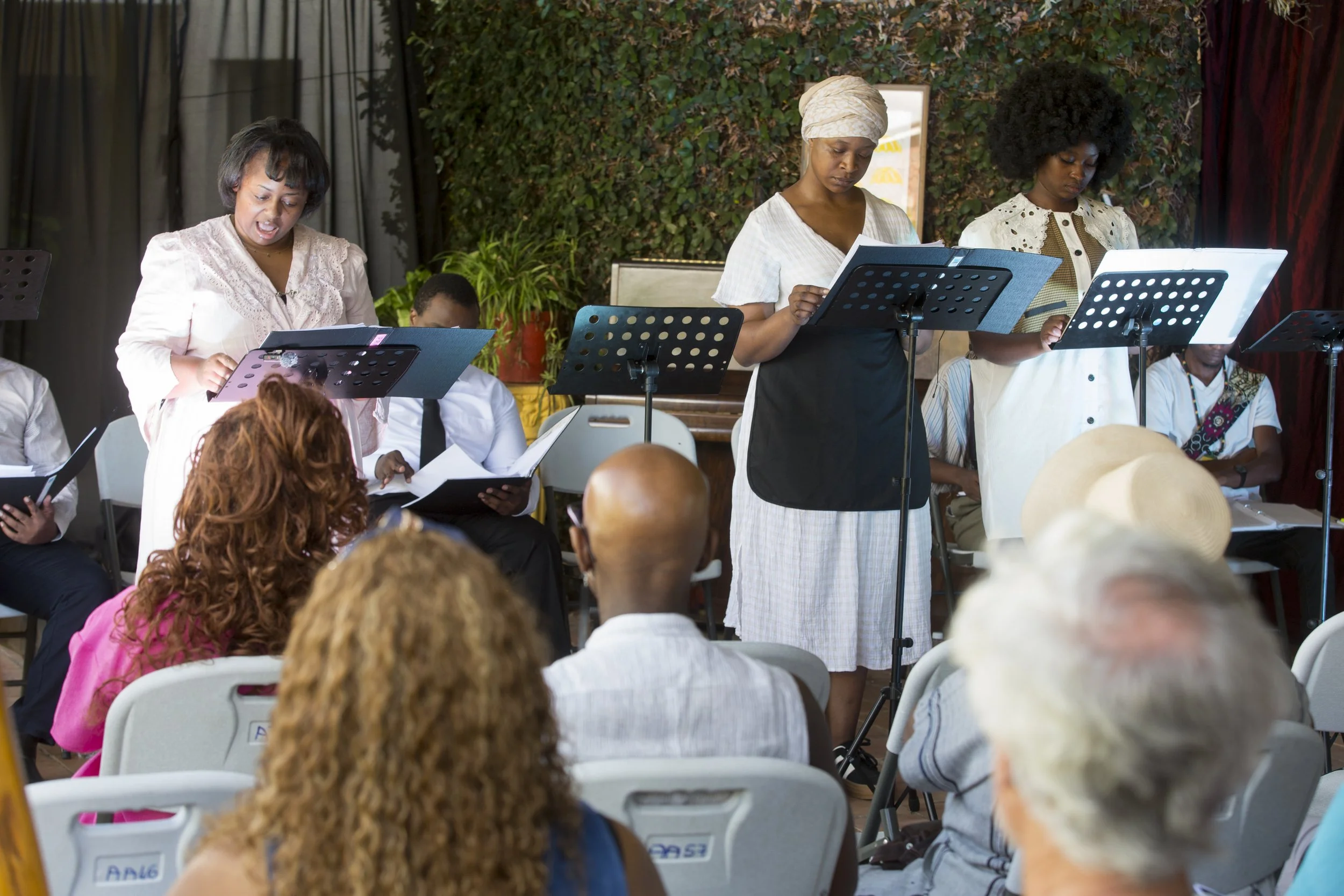
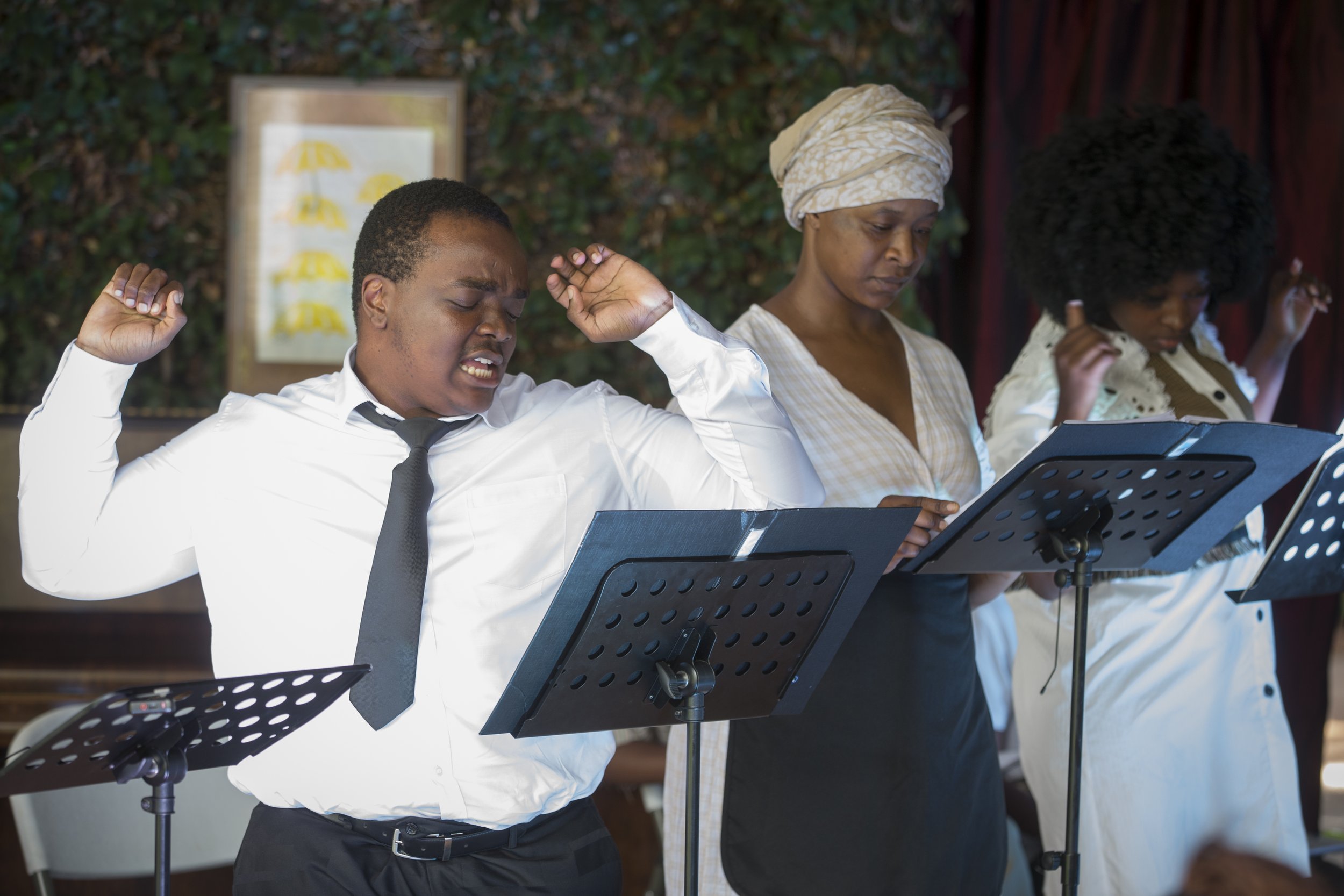
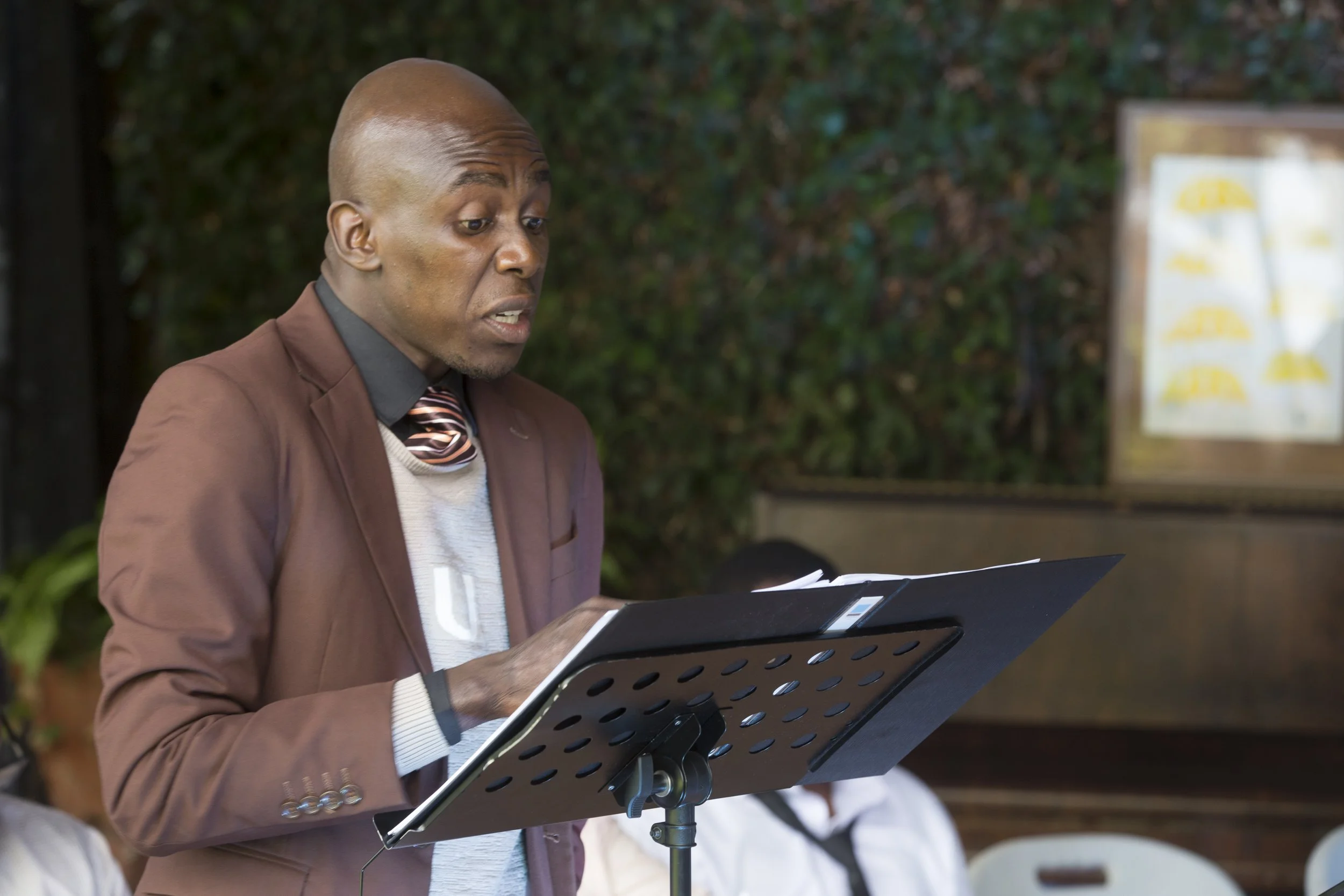
On 14 February, Almasi presented a staged reading of A Raisin in the Sun by Lorraine Hansberry at the Friendship Bench Hub. Directed by Leonard Matsa the production notably showcased Almasi’s "creative pipeline" in action. It was rewarding to see Almasi outreach program graduates Evita Mahachi and Godblessus Dhliwayo take the stage alongside Almasi veterans and newcomers Daniel Nxumalo and Aaron Dobi. This blend of emerging and established talent aligned perfectly with our Phase 2 goals. From 6 to 14 February 2026, the staged reading followed Almasi’s rigorous pursuit of dramatic literacy for the development of the African artist’s craft. Development begins with a two-day intensive dramaturgical workshop led by Almasi’s Programs Director, Gideon Jeph Wabvuta. This session brings together the cast and director with a cohort of Almasi-trained directors and playwrights to dissect the text and structure before moving into a rehearsal process that culminates in the public performance.
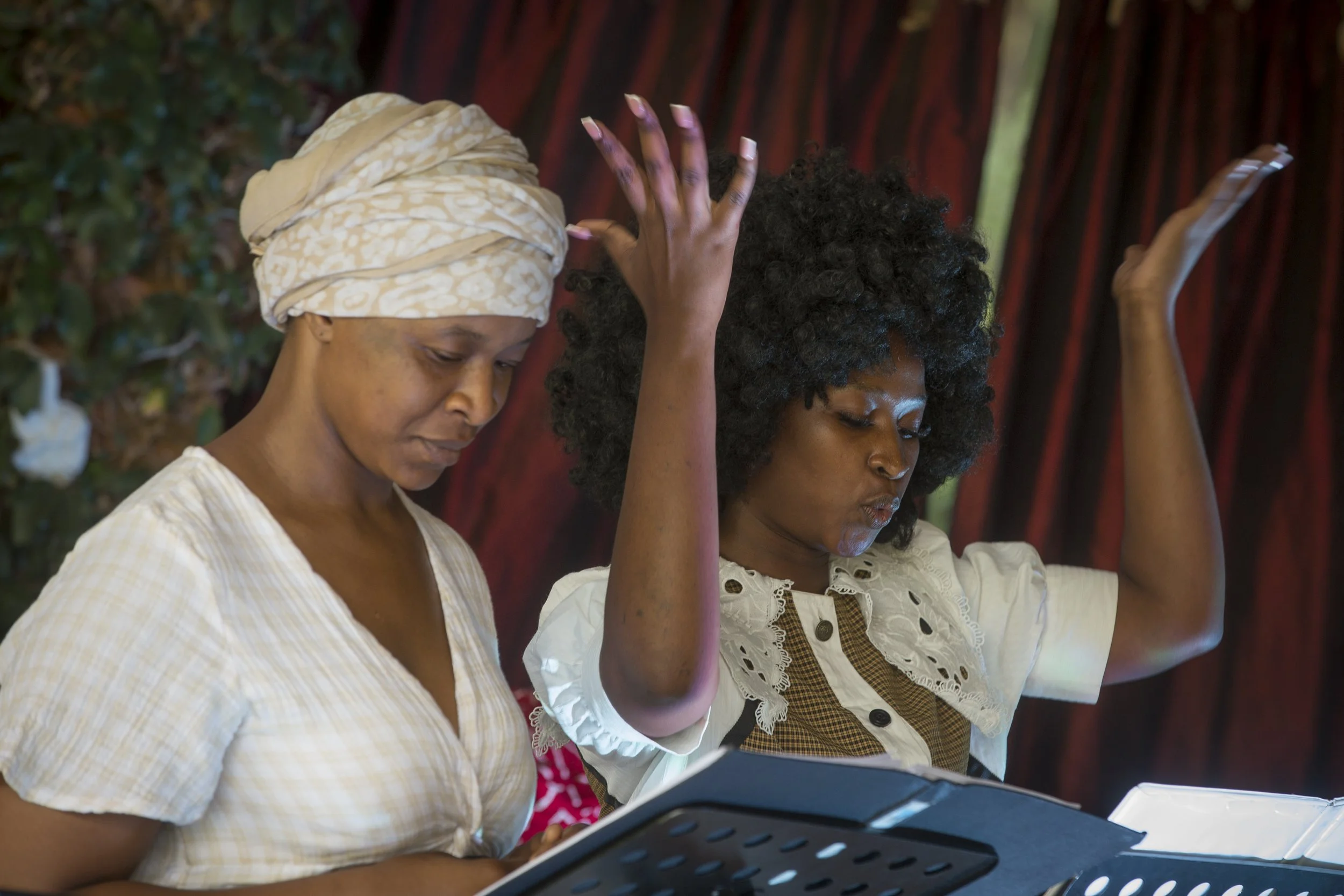
About A Raisin in the Sun
The first play by a Black female playwright to be staged on Broadway, “A Raisin in the Sun" takes its title from Langston Hughes’ seminal poem, "Harlem." It follows a Black family on the south side of Chicago as they navigate housing discrimination, racism, and assimilation while awaiting an insurance payout. Named the best play of 1959 by the New York Drama Critics' Circle, it remains a permanent fixture on "best plays ever written" lists worldwide.

A Note from the Director
by Leonard Matsa
When Almasi handed me this classic by Lorraine Hansberry to direct for a 2026 staged reading, my first reaction was simply: wow. It is a brilliant piece of writing and a true honor to start the year with. I found myself constantly remarking during rehearsals that any student of the craft, in any genre, must read this play to experience such a rare, well-told story.
Through masterful dialogue, structure, and wit, Lorraine makes this journey accessible and provocative. The rhythm of the pages leaves you satisfied yet mourning the end. Though rooted in the specific cultural context of Chicago’s South Side between WWII and the late 1950s, its resonance remains strikingly universal.
The play is inspired by Lorraine’s own childhood, when her family moved into a white neighborhood and faced a wall of systemic racism and legal battles. Taking its title from Langston Hughes’ poem Harlem, the story interrogates what happens when dreams are deferred by poverty and discrimination. It asks a central, haunting question: when a dream is denied, do you throw in the towel or find the strength to fight?
In A Raisin in the Sun, the Younger family huddles in a tired apartment, waiting for a $10,000 life insurance check—a grim irony where a father’s death provides the only spark for their dreams. Even their tiny window reflects their narrow hope.
This windfall quickly breeds conflict. Mama, seeking security, unilaterally buys a house in a white neighborhood. Her son, Walter, feels emasculated by his chauffeur job and desperate to invest in a liquor store to prove his manhood. His wife, Ruth, just wants relief from their cramped life, while his sister, Beneatha, sees the money as her ticket through medical school.
Seeing Walter’s despair at being excluded, Mama eventually entrusts him with the remaining cash. However, external pressure arrives via a "welcome committee" offering to pay the family not to move into the white neighborhood. This insulting offer is initially laughed off—until Walter loses every cent to a scam.
Devastated, the family views Walter as a villain. Yet, Mama insists on love in his lowest moment, leaving the final decision on the neighborhood's buyout to him. In a surge of pride, Walter rejects the racist payoff, choosing the family’s dignity over demeaning money and finally earning his family's respect.
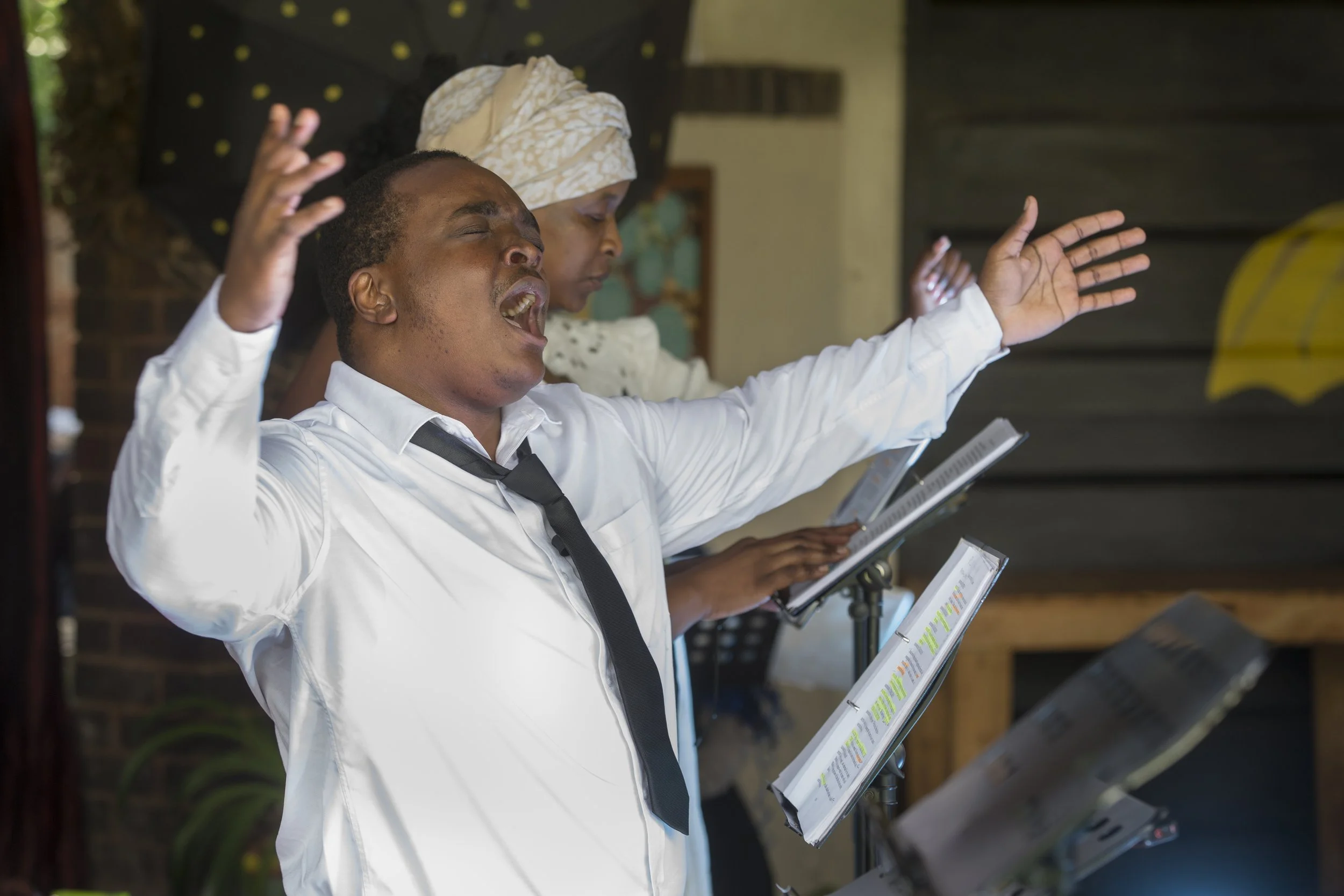
The Rehearsal Process
Staging a masterpiece like A Raisin in the Sun carries the heavy anxiety of living up to its legacy—there’s no room for "buts." Yet, the rehearsal room was buoyed by the play’s beautiful core; the cast and crew identified deeply with the characters, fueled daily by Lorraine Hansberry’s wit. By establishing a safe space for vulnerability and blending veterans with "young blood," we mirrored the Younger family, achieving a profound truthfulness.
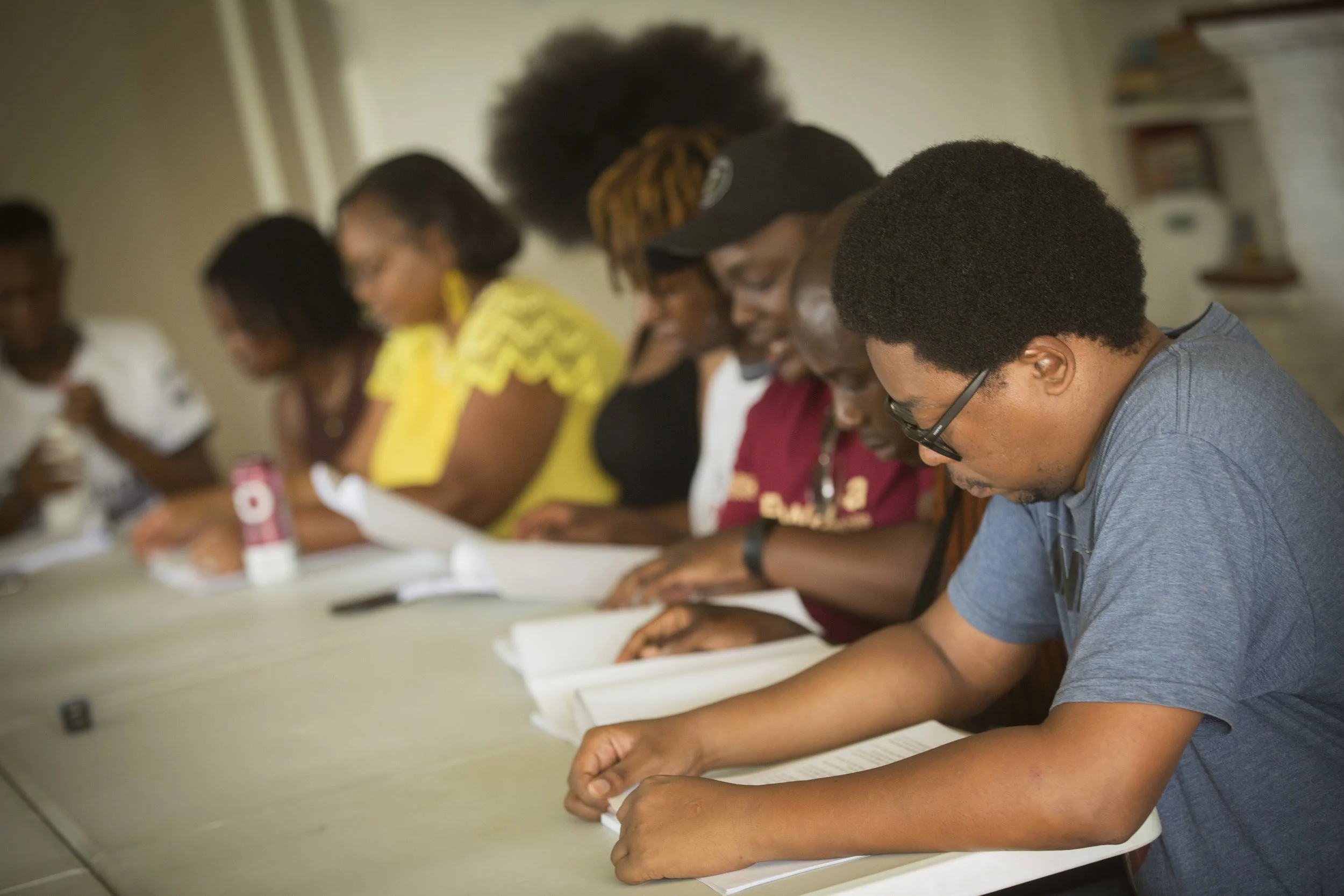
The process was anchored by an Almasi dramaturgical workshop that aligned everyone on structure and character. We moved from that foundation into a deep dive of the period and the "why" behind every line. It was a journey of constant growth, where previous choices were refined and new discoveries made daily.
I pushed actors to look beneath the words, focusing on "verbs, not emotions." This shift freed the cast from the burden of forced emoting, allowing for authentic moments rooted in character goals. This approach, coupled with an ensemble spirit that replaced competition with generosity—whether helping with American pronunciations or wardrobe—unified the team. We finished the journey enriched, having transformed as artists and individuals.